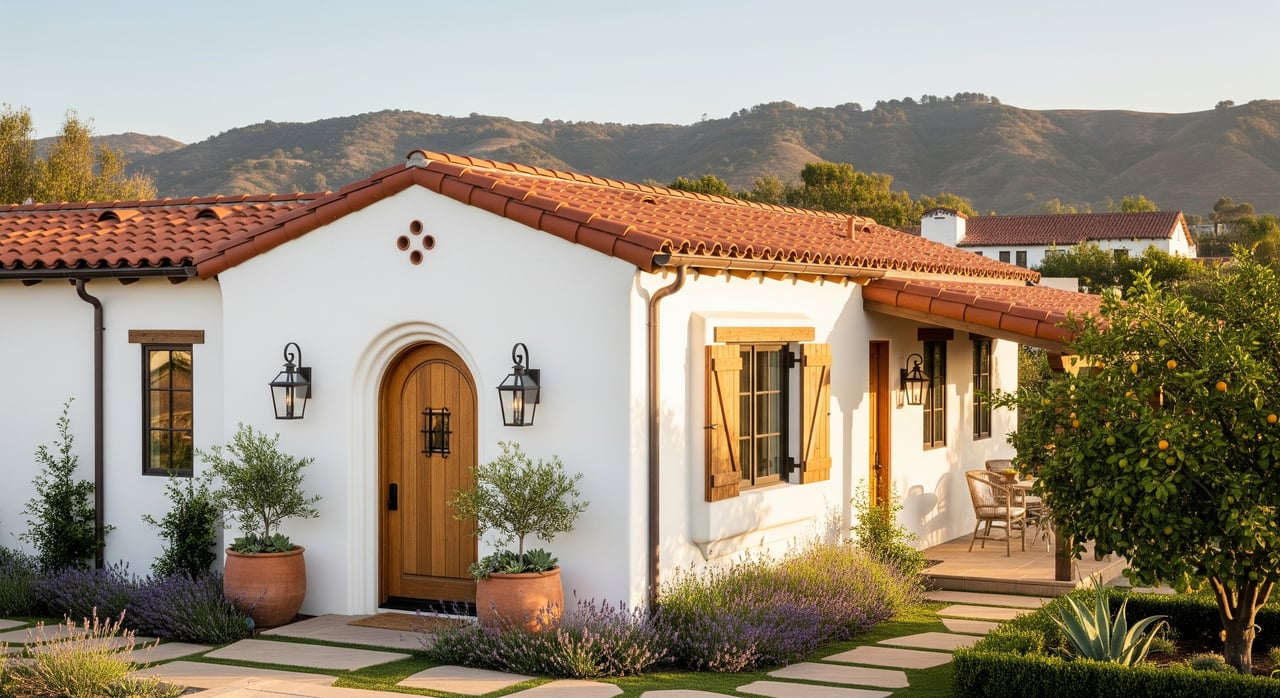
Thinking about building an accessory dwelling unit on your San Juan Capistrano property? You are not alone. ADUs are a practical way to create flexible living space, support family needs, or add rental income. The process is more streamlined than a typical remodel, but you still need to follow clear rules and steps.
This starter guide explains what counts as an ADU or JADU, how California’s rules shape your options, the local checks you should do in San Juan Capistrano, a simple permitting checklist, costs to plan for, and common pitfalls to avoid. By the end, you will know how to move forward with confidence. Let’s dive in.
ADU and JADU basics
An accessory dwelling unit, or ADU, is a secondary home on the same lot as your main residence. It can be detached, attached to the main home, or created by converting existing space such as a garage or bonus room.
A junior accessory dwelling unit, or JADU, is a smaller unit within the existing single-family home. JADUs are typically up to 500 square feet and may share some facilities with the main home.
Why this matters to you:
- You can create space for multigenerational living or long-term guests.
- You may add rental income potential and flexibility for future resale.
- State law makes many ADUs eligible for a faster, ministerial approval path.
State rules you should know first
California law sets the foundation for ADUs statewide. Cities apply local standards on top of these rules, but the state framework helps you in several ways:
- Ministerial approval and timelines. Many ADU applications are processed without a public hearing. State law requires cities to approve or deny a complete ADU application within a statutory timeframe, often about 60 days. Confirm current timelines with the City before you start.
- Unit types and sizes. JADUs are capped at 500 square feet under state law. Many places allow detached ADUs up to a larger square footage, and attached ADUs are often tied to the size of the main home. Always verify the exact caps and measurement method for your property.
- Parking flexibility. Cities have limited ability to require new parking for ADUs in certain situations, such as when converting an existing garage or when a home is near transit. Ask planning staff how parking rules apply to your lot.
- Fees and utilities. State law limits some impact and utility fees, especially for smaller ADUs. Your final fees still depend on local schedules and utility connection needs.
- Building codes and safety. Every ADU must meet building, electrical, plumbing, energy, and fire safety codes. If your property uses a septic system, additional health review may apply.
- HOAs and CC&Rs. Homeowner associations cannot prohibit ADUs outright, but they may set reasonable design and use rules. Review your CC&Rs and consult counsel if needed.
- Short-term rentals. ADUs are subject to local rental rules. Many cities restrict stays shorter than 30 days. Confirm San Juan Capistrano’s current policy.
What to verify locally in San Juan Capistrano
Local rules determine the details. Before you draw plans or sign a contractor agreement, confirm the following with San Juan Capistrano’s Community Development Department and, if relevant, Orange County agencies:
- How many units you can build. Ask about the allowance for one ADU and one JADU, or other combinations, on your specific lot and zoning.
- Maximum sizes and measurement. Confirm floor area caps for attached and detached ADUs and how square footage is measured.
- Height, stories, and setbacks. Check the allowed height for a detached ADU, story limits, and side and rear yard setbacks. Ask if small ADUs have reduced setback options.
- Parking rules and reductions. Verify when new parking is required, how conversions are treated, and any transit-based exemptions.
- Fees and permit costs. Request the current fee schedule, including any reduced fees for smaller ADUs.
- Design review and historic areas. Properties near the Mission or within historic overlays may require architectural review or special design standards.
- Coastal zone. If your property lies in a coastal zone overlay, a coastal development permit and additional standards may apply.
- Septic or well service. If not on sewer, you may need a feasibility review and potential septic upgrades.
- Utilities and meters. Clarify whether a separate meter is optional or required, and what upgrades to electrical panels or gas lines may be needed.
- Rental regulations and owner-occupancy. Ask about short-term rental limits, business license requirements, and whether any owner-occupancy rules apply for JADUs.
- Fire and safety. Confirm wildfire mitigation, defensible space, and any local fire department clearances required.
Your permitting game plan
Follow a clean process to keep your timeline predictable.
Step 1: Pre-check and feasibility
- Confirm your zoning, overlays, and utility status.
- Schedule a discussion with city planning staff to review ADU eligibility and objective standards.
- If on septic, consult Orange County Environmental Health early.
Step 2: Prepare your application package
Most ADU applications include:
- Site plan with property lines, existing structures, and setbacks
- Floor plans and elevations
- Structural, energy, and code compliance documentation
- Grading or drainage plan if you are adding a new foundation
- Utility connection plans and any tree protection notes
- Septic feasibility letter if applicable
Step 3: Submit for ministerial review
- The City will check your submittal for completeness, then route it for planning and building review.
- State law expects action on a complete application within a defined timeline, often around 60 days. Actual timing depends on the quality of your plans and plan check cycles.
Step 4: Permits, build, and inspections
- When permits are issued, your contractor can start work.
- You will pass standard inspections for foundation, framing, electrical and plumbing, and final occupancy.
Pro tip: Incomplete plans are the top cause of delays. A short pre-application meeting and a thorough checklist save weeks.
Budgeting, financing, and taxes
The total cost of an ADU varies by size, site conditions, and finishes. Plan ahead for both soft costs and construction.
- Permit and impact fees. Fees depend on your unit’s size and local schedules. Some fees are capped or reduced for smaller ADUs under state rules. Ask for a current estimate from the City.
- Construction. Garage conversions tend to be the most cost efficient. Detached new builds cost more due to foundation, utility runs, and site work.
- Financing options. Many owners use home equity loans or lines, cash-out refinances, construction loans, or contractor-arranged financing. Lenders will look for permitted plans and may consider the ADU in appraisal.
- Property taxes. New construction can increase your assessed value for the added portion while your main home’s base assessment generally remains under Prop 13 rules. Confirm details with the Orange County Assessor.
- Insurance. Notify your insurer before construction. You may need a policy endorsement or a rental dwelling policy if you plan to lease the unit.
- Rental income and taxes. Rental payments are taxable. Typical deductions include expenses, depreciation, and a share of mortgage interest and property taxes. Consider consulting a tax professional.
Common pitfalls and how to avoid them
- Historic or design overlays. Properties near the Mission or in historic districts may need extra review. Verify early.
- Coastal zone triggers. Coastal development permits can add time and standards. Confirm your property’s status.
- Septic limitations. If you are not on sewer, plan for health review and potential system upgrades.
- Utility capacity. Electrical panel upgrades, trenching, or meter changes can impact budget and schedule.
- HOA restrictions. Even with state protections, CC&Rs may set design or use guidelines.
- Incomplete submittals. Missing documents lead to resubmittals and delays. Use a checklist and stay organized.
Smart next steps
- Start with a quick call to City planning to confirm zoning, overlays, and eligibility.
- Request the latest ADU handouts and fee schedules.
- Decide on your ADU type, size range, and whether you want to rent or use it for family.
- Meet with a designer or architect familiar with Title 24 and local standards.
- Build your financing plan and talk to your insurer.
When you are ready to evaluate how an ADU fits your long-term real estate goals, market value, and rental strategy in South Orange County, reach out to a local advisor who knows the process and the neighborhoods. If you would like a practical, step-by-step plan and introductions to vetted local pros, connect with Molly Mentaberry.
FAQs
Can I add an ADU to my San Juan Capistrano single-family home?
- It depends on your zoning, lot conditions, overlays like historic or coastal, and whether you are on sewer or septic. Confirm eligibility with City planning before you start.
What is the size limit for a JADU versus an ADU in California?
- State law caps JADUs at 500 square feet. Many cities allow larger detached ADUs and set rules for attached ADUs, but you must verify San Juan Capistrano’s local maximums.
How long does ADU approval take in San Juan Capistrano?
- State rules require action on a complete ADU application within a set timeline, commonly around 60 days. Actual timing depends on plan completeness and review cycles.
Do I need new parking for my ADU in San Juan Capistrano?
- Not always. State law limits when cities can require new parking, especially for garage conversions or homes near transit. Ask the City how the standards apply to your lot.
Can my HOA stop me from building an ADU in Orange County?
- HOAs cannot prohibit ADUs outright but can apply reasonable design and use rules. Review your CC&Rs and consult counsel for your specific situation.
Are short-term rentals allowed for ADUs in San Juan Capistrano?
- Local rules govern short-term rentals and many cities limit stays under 30 days. Check San Juan Capistrano’s current short-term rental policy before planning for vacation rentals.
Will adding an ADU raise my property taxes in Orange County?
- New construction is typically assessed for the added portion while your base assessment on the main home generally remains. Confirm specifics with the Orange County Assessor.