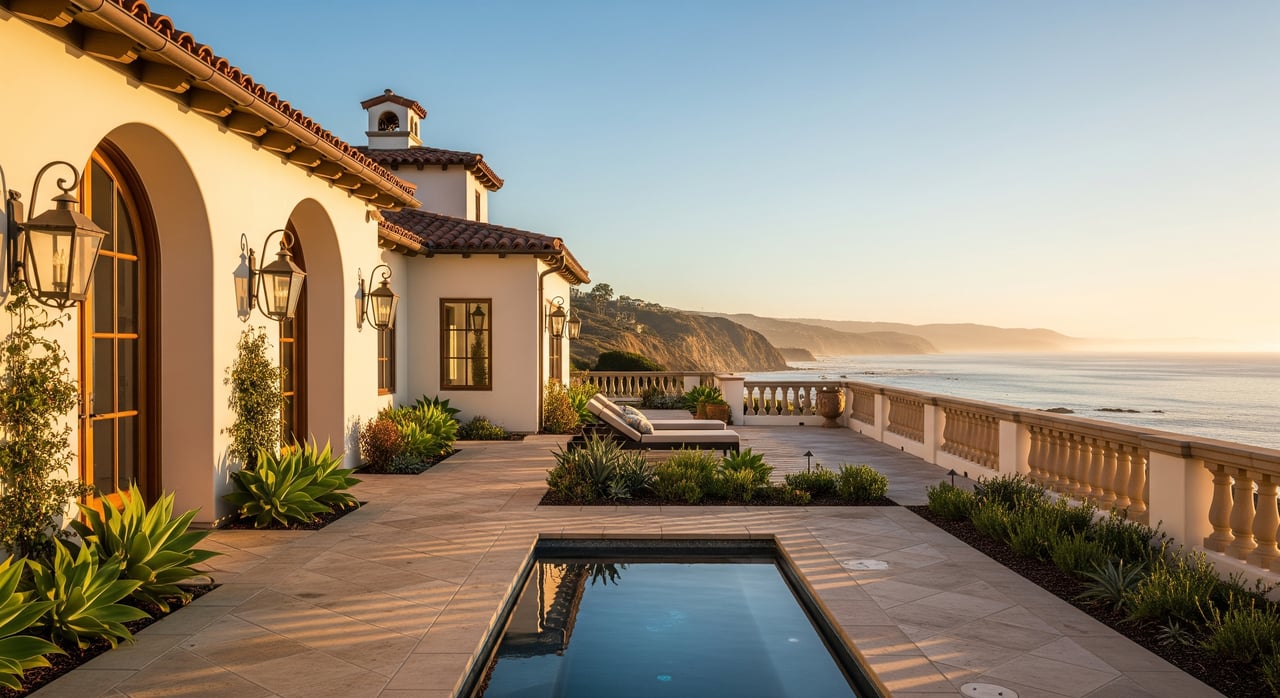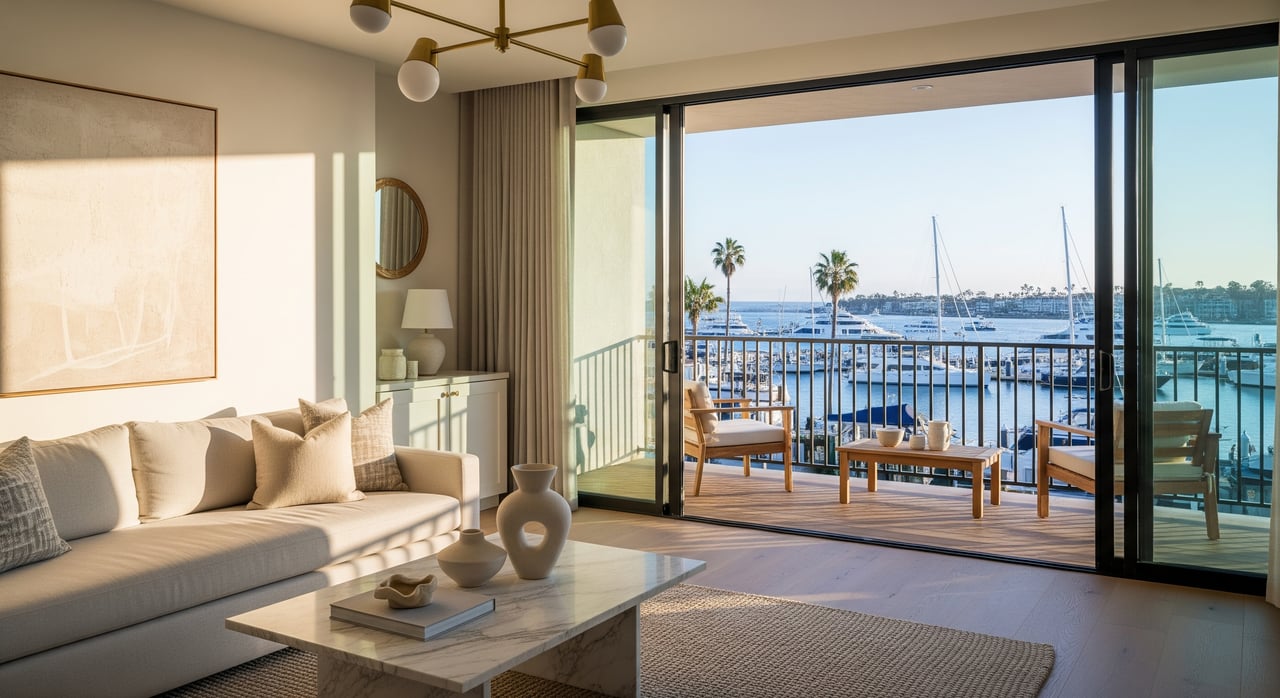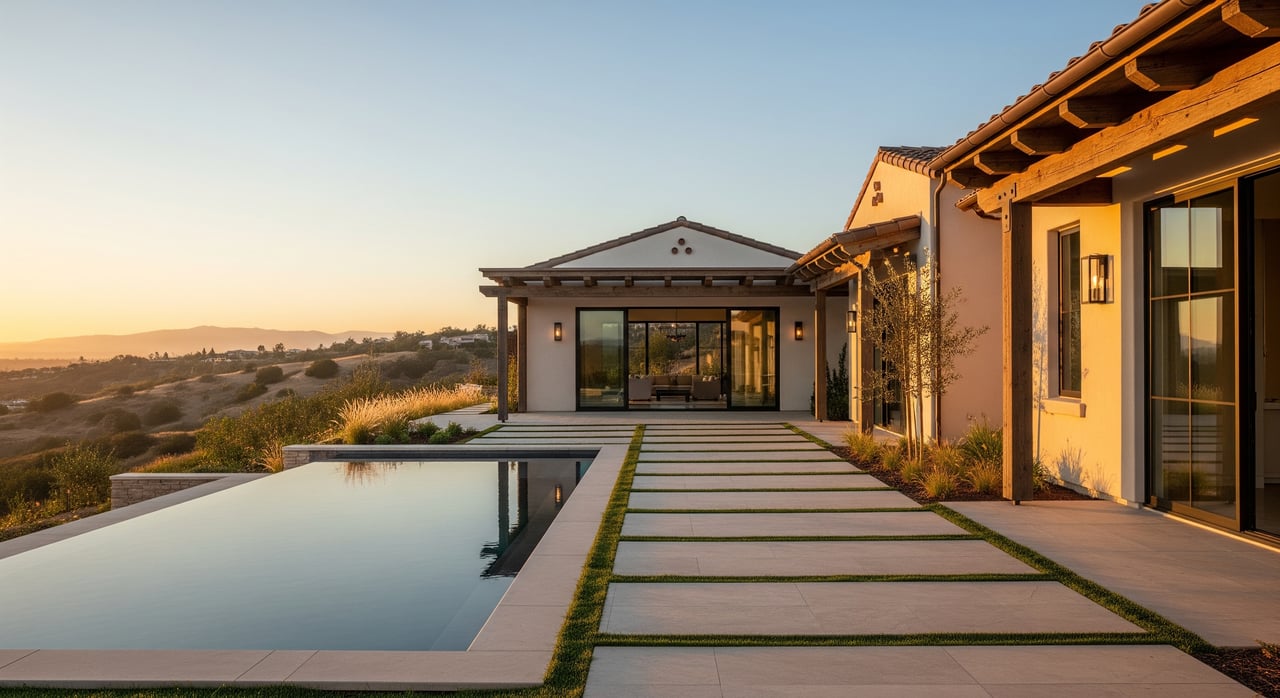
Thinking about a brand-new home with resort-style amenities in Rancho Mission Viejo? You’re not alone. RMV attracts buyers who want modern layouts, energy-efficient systems and a community designed for outdoor living. In this guide, you’ll learn what to expect with builder contracts, HOAs and special taxes, upgrades, inspections and timelines specific to California new construction. Let’s dive in.
Why buyers choose Rancho Mission Viejo
Rancho Mission Viejo is a master-planned community in southern Orange County with trails, parks and recreation centers built into the plan. You get modern floorplans, new systems and current building-code compliance. Many buyers also like the proximity to job centers in Irvine and Costa Mesa.
You should also weigh tradeoffs common to master plans. HOAs and CC&Rs set community rules and budgets. Special taxes, often called Mello-Roos or Community Facilities District assessments, may increase your monthly costs. New phases can mean nearby construction activity until the community is built out.
Lifestyle and amenities
RMV’s planned amenities often include pools, club spaces, parks and miles of trails. Events and recreation can make it easy to connect with neighbors. If you value an active lifestyle and community spaces, this setup may be a great fit.
Key tradeoffs to weigh
- HOA fees and CC&Rs shape what you can do with your property and cover common-area upkeep.
- Special taxes through CFDs/Mello-Roos are added to your property tax bill and can be substantial.
- Ongoing development may affect noise and traffic during build-out.
- Compare long-term value with nearby resale options, including price per square foot and monthly costs.
What’s unique about California new construction
New homes in California follow statewide building and energy standards. Understanding these rules helps you evaluate what’s included and what costs may come later.
Energy code and systems (Title 24)
Recent code cycles increased efficiency and solar/electrification requirements for new single-family homes. Ask what’s standard versus an upgrade, such as rooftop solar, battery readiness, EV charging rough-ins, heat pump HVAC and tankless water heaters. Clarify what’s included in the base price.
Warranties and right-to-repair
Builders usually offer tiered warranties: workmanship and systems coverage is often short-term, mechanical systems may have limited coverage, and structural elements often carry longer coverage. In California, pre-litigation right-to-repair rules require notice and give builders time to address defects. Keep a detailed paper trail for any service requests.
HOAs and CC&Rs
California’s Davis–Stirling rules govern HOAs. Review CC&Rs, bylaws, budgets and reserve studies to see what the HOA maintains, how rules are enforced and if reserves are adequately funded. Ask for recent financials and board meeting notes if available.
Pricing, upgrades and builder negotiations
New-home pricing is more than the number on the flyer. The model home you tour usually shows options and upgrades. Your costs can change quickly if you add features during construction.
Base price vs. model home
- Get a written list of what the base plan includes.
- Request itemized pricing for all upgrades you want before you sign.
- Understand that change orders during construction typically cost more than selecting those options up front.
Incentives and preferred lenders
Builders often offer closing credits, rate buydowns or included appliances. Incentives may be tied to their preferred lender or title company. Compare the total package against independent lender quotes so you can weigh a lower rate or credit against potential tradeoffs.
Contract terms and timelines
Builder contracts differ from typical resale agreements. They may limit contingencies, include mandatory arbitration and set fixed closing windows. Construction timelines can shift due to weather, materials or subcontractor delays. Ask for current timeline averages and any contractual protections. Review deposit, cancellation and refund policies in detail.
Inspections, walkthroughs and punch lists
Even with new construction, you should plan for third-party inspections. Many issues are easier to fix before walls are closed or before you accept the home.
Independent inspections
When allowed by the builder, schedule at least two: a pre-drywall inspection focused on framing, electrical and plumbing, and a final inspection before closing. Negotiate your inspection rights early, including access and timing.
Final acceptance and warranty service
Create a written punch list at your final walkthrough. Get timelines for repairs in writing and keep copies of all correspondence. After closing, submit warranty claims promptly and track response times. Save manuals, appliance serial numbers and warranty registrations in one place.
Financing, taxes and monthly costs in RMV
Financing, taxes and recurring costs can vary with new builds, especially in master-planned communities. Build a full monthly budget before you commit.
Mortgage choices
- Conventional loans are common for completed new homes.
- Some builders arrange construction-to-permanent financing if you buy before completion.
- VA and FHA loans may be possible if the builder and lender meet program standards.
- Incentives are common but often tied to preferred lenders; compare net costs.
Property taxes and Mello-Roos
A new purchase sets a new assessed value near market price under California’s rules. Expect a base property tax around 1 percent of assessed value plus local assessments and any CFD/Mello-Roos special taxes. Request a written estimate of all special taxes from the builder and verify on the preliminary title report.
HOA fees and reserves
Ask for the current HOA fee schedule and whether any special assessments are planned. Review the reserve study to understand how the HOA plans to fund long-term repairs and amenities. Clarify whether the community is still under developer control and when control shifts to homeowners.
Utilities and energy costs
New homes are often more efficient. Still, electrification or solar can change your utility mix. Ask for typical utility estimates for your floor plan and confirm who owns or leases any solar equipment.
Schools, commute and daily needs
RMV sits within reach of major job centers in the Anaheim–Santa Ana–Irvine area. It offers a suburban feel with access to freeways and coastal amenities.
Schools
Boundary lines can change as new neighborhoods open. Verify current school assignments directly with the local school district. If schools are a priority, confirm assignments before you sign a contract.
Commute and services
Map your daily routes to Irvine, Costa Mesa, Newport Beach and beyond via I-5 and nearby arterials. Check proximity to grocery stores, medical services and planned commercial sites. Some on-site shopping and services may phase in over several years.
Buyer checklist and timeline
Use this checklist to stay organized from the first model tour to move-in day.
Pre-contract
- Visit several builders and compare floor plans, lot locations and amenities.
- Request the sample purchase agreement, itemized standard features and upgrade lists.
- Ask for HOA documents, CC&Rs, budgets and reserve studies.
- Request written estimates for CFD/Mello-Roos special taxes and all assessments.
- Confirm school assignments and test your commute at typical times.
- Review builder reputation, licensing and any public reviews or litigation history.
Under contract and during construction
- Have a buyer’s agent experienced with new construction review the contract.
- Negotiate incentives, inspection rights and delivery timelines in writing.
- Lock in your upgrade selections and get every change order itemized and signed.
- Schedule independent inspections, including a pre-drywall inspection when allowed.
- Track deposits, deadlines and progress updates; keep every document.
Before closing
- Conduct a thorough final walkthrough and create a punch list.
- Confirm that permits are finaled and occupancy is issued.
- Verify that all agreed upgrades are complete and documented in escrow.
- Collect warranty documents and contact instructions for service requests.
- Review final tax disclosures, HOA rules and payment setup.
After closing
Submit any warranty items promptly and document responses.
Set reminders for seasonal maintenance and warranty check-ins.
Attend HOA meetings and stay informed on budgets and rules.
Red flags to watch for
- Large or unclear HOA special assessments or a weak reserve fund.
- No written warranty details or a warranty that shifts major responsibilities away from the builder.
- Broad mandatory arbitration clauses without reasonable repair procedures.
- Pressure to close on very short timelines without completion assurances.
- Model-home features not clearly distinguished from the base plan in writing.
- Unclear status or timeline for transition from developer to homeowner control of the HOA.
How I help you buy new construction in RMV
Buying new construction is part home search, part project management. You deserve both. I bring a process-first approach shaped by years of transaction coordination and hands-on deal management in South Orange County.
Here’s how I make it smoother for you:
- Compare communities and phases to fit your budget, commute and lifestyle.
- Review builder contracts, highlight key risks and coordinate with your lender.
- Negotiate incentives, inspection access and upgrade packages.
- Build a custom timeline with reminders for deposits, selections and walkthroughs.
- Coordinate independent inspectors and track punch-list completion.
- Organize all docs, from warranties to HOA rules, so you close with confidence.
Ready to explore model homes or want a clear, line-by-line cost breakdown? Let’s talk. You can start a conversation with Molly Mentaberry today.
FAQs
What should I know about HOAs and Mello-Roos in Rancho Mission Viejo?
- Expect monthly HOA fees and possible CFD/Mello-Roos special taxes added to your property tax bill; request written estimates, review HOA budgets and confirm reserve funding.
Are California new homes in RMV required to have solar or EV features?
- California’s energy code drives efficiency and often requires solar or electrification measures; verify whether solar, battery readiness and EV rough-ins are standard or upgrades.
Can I use my own lender when buying from a builder in RMV?
- Usually yes, but builders often tie incentives to preferred lenders; compare the net value of incentives against independent offers before you decide.
Should I hire an independent inspector for a brand-new home?
- Yes; schedule a pre-drywall inspection and a final inspection when allowed by the builder to catch issues before they’re hidden or before you accept the home.
How do builder warranties work for new construction in California?
- Expect tiered coverage for workmanship, systems and structure; follow the builder’s claim process, document issues and keep records to support any right-to-repair requests.