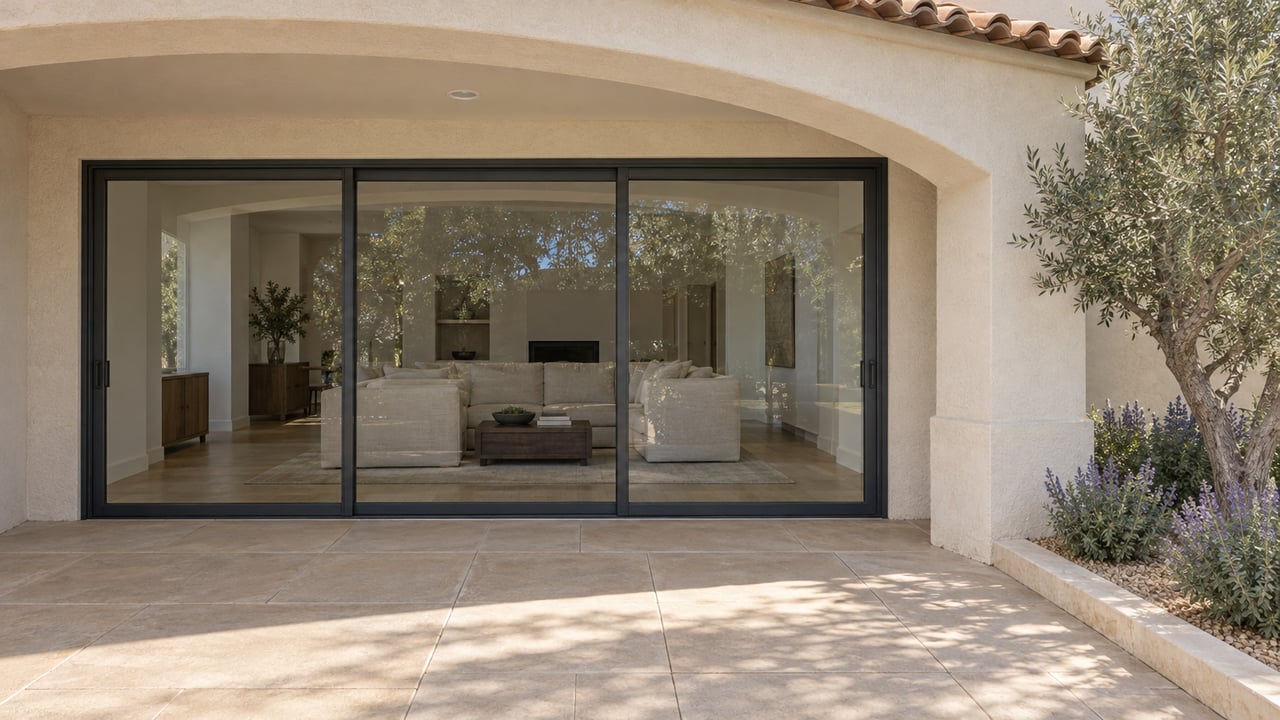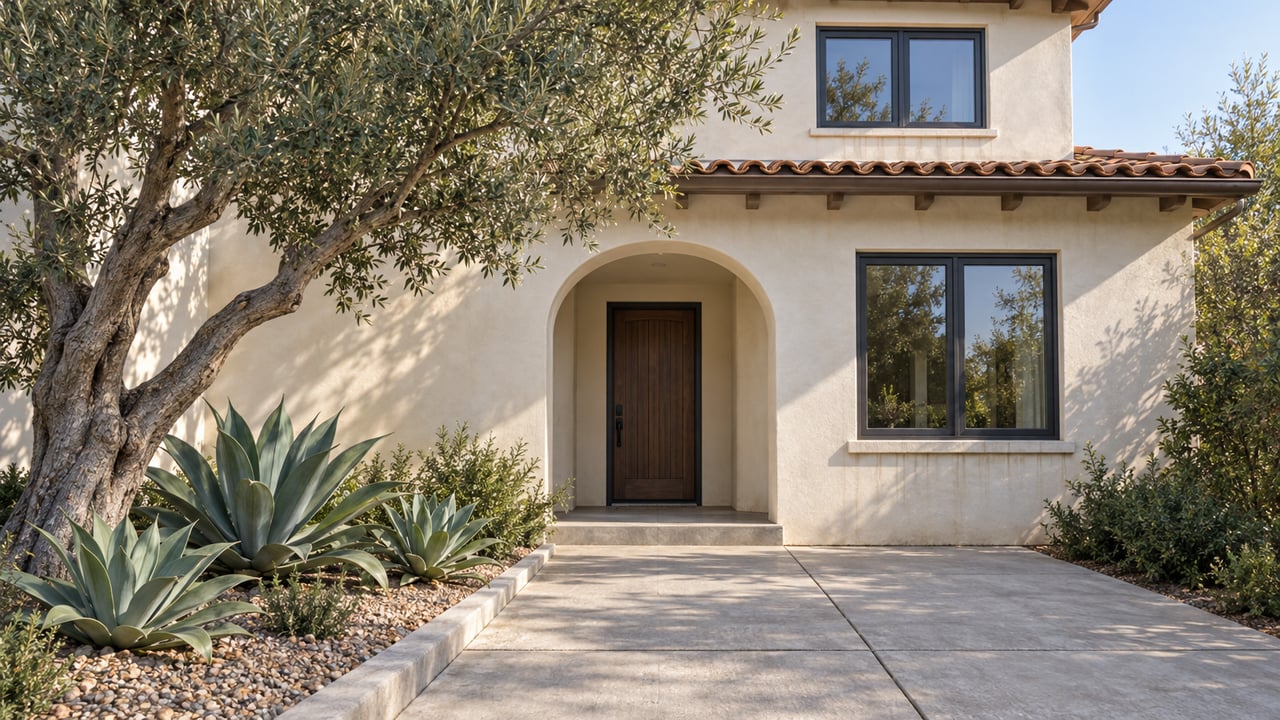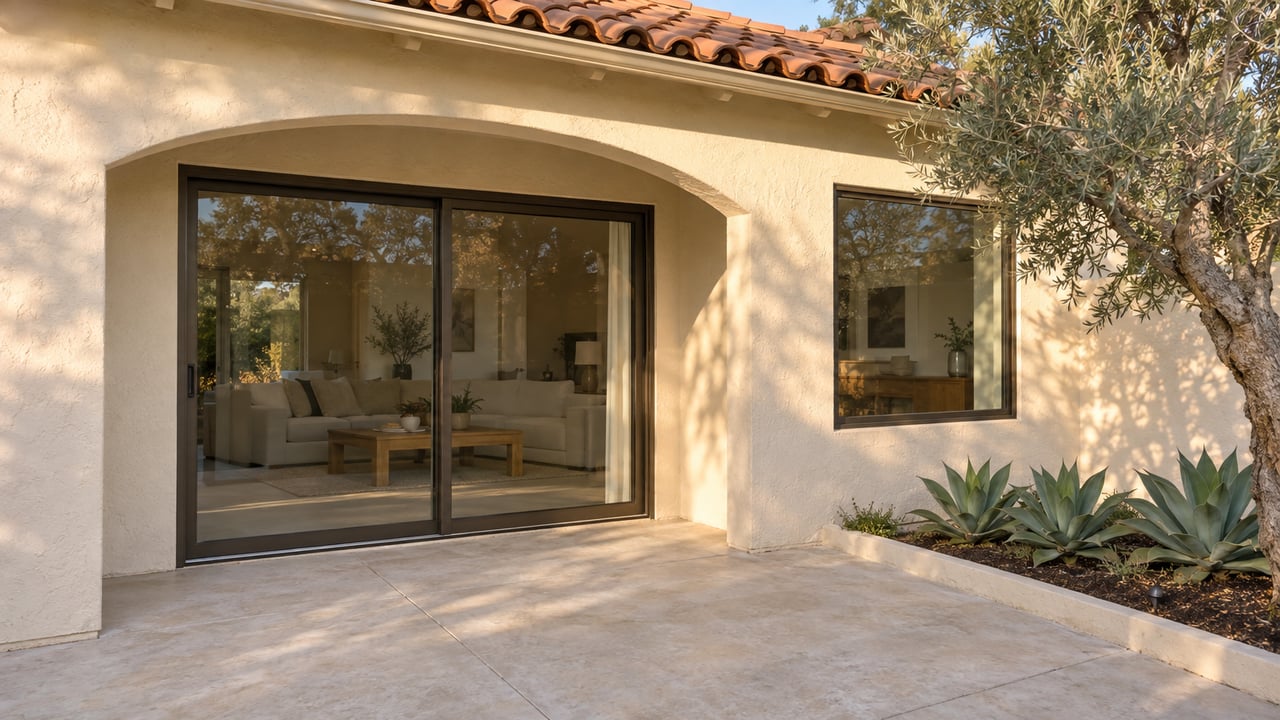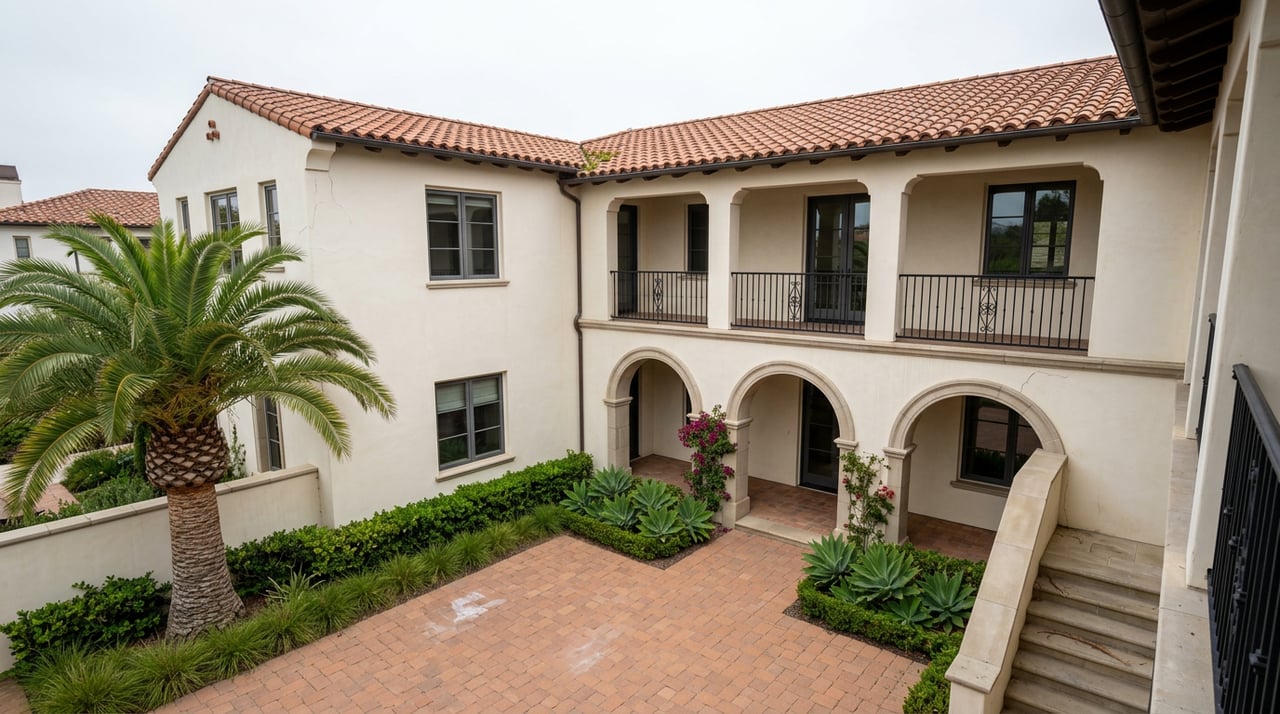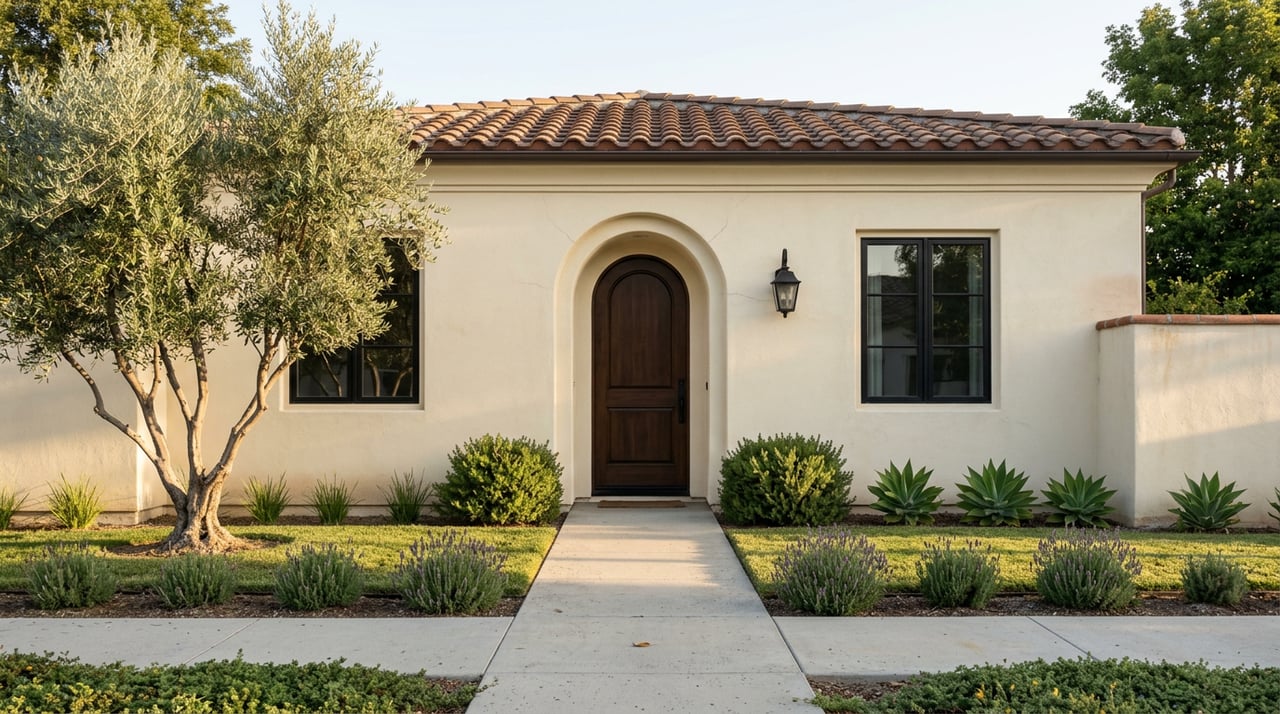
You pull up to the guard gate at Casta del Sol or Palmia, hand over your ID, and drive past a wall of clipped Mediterranean stucco toward a house that looks almost identical to three others you toured that week. The listing sheet says "55+ community," the HOA fee is printed in one line, and the assumption that follows is simple: one gate, one association, one set of rules. That assumption is the first thing that gets corrected once you actually open the resale disclosure packet.
Mission Viejo's two established 55+ communities, Casta del Sol and Palmia, are each governed by a master association that sits on top of several smaller sub-associations, and those sub-associations carry different dues, different reserve funds, and in some cases different maintenance responsibilities depending on whether your unit is attached or detached. The gate you drive through tells you almost nothing about which internal tier you are buying into. Only the disclosure packet does that. This is the piece that gets missed by buyers who assume a 55+ community works like a single-HOA subdivision, and it is the reason the due diligence period matters more here than in a typical Mission Viejo resale.
The Price Gap Everyone Notices, and What Actually Explains It
Anyone comparing these two communities on paper runs into the same question fast: why does Palmia run roughly $200,000 above Casta del Sol.
Casta del Sol's homes sold for a median in the $925,000 to $955,000 range across sources covering the months from March through May 2026, with per-square-foot pricing around $642 as of July 2026. Palmia, meanwhile, has been tracked at a median closer to $1,168,750 as of February 2026. The obvious explanation is age. Casta del Sol was built between 1972 and 1987. Palmia came later, built between 1988 and 1999.
Age is part of it, but it is not the whole mechanism. Palmia's detached homes in tiers like the Heights run up to 2,473 square feet, well above the 1,400 to 1,800 square foot range typical of the Casta del Sol resales in current listings. Palmia also carries a larger shared clubhouse investment, a 12,000 to 12,500 square foot facility built for a smaller membership base of 639 single-family homes and 262 condos, compared to Casta del Sol's roughly 1,927 units spread across two recreation centers. A smaller, newer community with a bigger clubhouse per household and larger average floor plans will price higher than an older, larger community even before you factor in construction year. The $200,000 gap is a combination of build era, unit size, and amenity density, not a simple newer-is-better signal.
Casta del Sol has multiple sub-associations within the master community, and HOA fees, reserve fund health, and CC&R details vary by location within the development. Reviewing the HOA financial documents before making an offer is not optional.
That framing, drawn from a broker who tracks the community closely, points to the real mechanism buyers need to understand before they write an offer.
One Gate, Several HOAs
Palmia makes its internal tiering visible in a way that is useful to walk through, because it shows exactly how this works. The community splits into distinct sub-tiers, each with its own dues structure:
- Courts I & II (attached condos, 990 to 1,767 square feet): HOA dues run approximately $440 per month, which includes front yard and slope maintenance, exterior painting, roof repair, and earthquake insurance on the building.
- The Heights (detached homes, 1,756 to 2,473 square feet): dues run closer to $310 per month, covering front yard landscaping and basic cable.
- The Terraces and Villas I & II (detached homes, ranging from 1,162 to 2,283 square feet): also in the $310 per month range, with the same landscaping and cable coverage.
Notice what that means in practice. Two buyers can both say they bought "at Palmia" and be paying dues that differ by more than $100 a month, with different maintenance responsibilities attached to each fee. The attached units in Courts I & II carry building insurance and roof repair inside their dues because those buildings share structure. The detached tiers do not need that coverage, so their dues run lower, but the buyer takes on more individual responsibility for the building itself.
Casta del Sol works the same way in principle, though the tier-by-tier dues are less publicly itemized. What is documented is that the community includes floor plan series with names like Fiesta, Carmel, and the Original Series, built across different phases of the development, and that fees vary by location and property type across its sub-associations. One tracked estimate puts a Casta del Sol HOA payment at roughly $575 a month, which sits near the top of Mission Viejo's HOA fee range and funds a package that includes two swimming pools and spas, a fitness center, and the two recreation centers residents share across the community. But that figure is one data point, not a fixed rate across the whole community. The only way to know your specific number, and what it funds, is the sub-association's own financial disclosure, not the headline HOA line on the listing.
Who Is Actually Allowed to Live There
The other detail that surprises buyers involves occupancy, not price. According to Care.com, federal law requires that at least 80 percent of units in a legally age-restricted community be occupied by at least one resident aged 55 or older. Communities set their own additional rules within that framework.
Rancho Mission Viejo's Gavilán 55+ villages define this clearly: a resident 55 or older is a "qualifying resident," and a younger adult can live in that person's home as a "qualified permanent resident" only if they meet specific criteria, such as being a spouse or domestic partner of the qualifying resident, or in some cases a caregiver for a qualifying resident with a disabling condition. An adult child who wants to move in temporarily, or a younger spouse, needs to check these terms against the specific community's rules before assuming the arrangement is automatic. Rules vary by community, and while there are typically no age restrictions on who can purchase a home in a 55-and-over community, actual residency is a separate question with its own documentation requirements.
The Disclosure Packet Is the Real Closing Timeline
California law requires sellers in any HOA-governed resale, including 55+ communities, to provide a specific set of governing documents under Civil Code Section 4525: current CC&Rs, bylaws, current regular and special assessments, any unpaid assessments or fines, rental restrictions, and the latest defect information the association has on file. Sections 5300 and 5570 govern the annual budget package, which includes the pro forma operating budget, reserve summary, reserve funding plan, and insurance summary.
In a community with multiple sub-associations, this packet is not one document. It is the specific sub-association's documents, layered under the master association's own governing rules. A buyer who assumes the escrow timeline mirrors a standard single-HOA resale can find themselves waiting on a second or third document request mid-transaction. Building in extra time for this review, and asking your agent to request sub-association-specific financials on day one rather than after the home inspection, keeps that friction from turning into a delayed closing.
Frequently Asked Questions
Does a lower HOA fee always mean less financial risk? Not necessarily. A lower dues figure at a detached tier like Palmia's Heights or Terraces reflects less shared building coverage, not a healthier reserve fund. The reserve summary, not the monthly number, tells you whether the association is adequately funded for major repairs.
Can my adult child stay with me for an extended period at a 55+ community in Mission Viejo? It depends on the specific community's rules for qualified permanent residents. Confirm the exact terms with the association before making assumptions.
Is Rancho Mission Viejo's Gavilán the same as Casta del Sol or Palmia? No. Gavilán is a newer age-restricted section within the larger Rancho Mission Viejo master-planned community, built by multiple national builders including Del Webb and Shea Homes, with its own amenity set and occupancy rules distinct from the older, established Casta del Sol and Palmia communities.
What is the single most important document to request before writing an offer? The sub-association's current reserve study and assessment history. It reveals what your specific tier's dues actually fund and whether a special assessment may be coming, information the master HOA's general materials will not show you.
Buying into any of Mission Viejo's 55+ communities rewards patience with paperwork more than it rewards touring more houses. If you are comparing Casta del Sol, Palmia, or the newer Gavilán villages and want someone to walk the sub-association disclosures with you before you write an offer, Molly Mentaberry handles this kind of transaction regularly and can get you started with an instant home valuation to see where your current equity stands before you make the move.
This article is general information, not legal, tax or financial advice. Consult a qualified professional about your situation.