Torn between North and South San Clemente? You are not alone. Each side offers a distinct mix of home styles, beach access, commute options, and everyday conveniences. In this guide, you will see how location shapes your routine, budget considerations to keep in mind, and which pockets align with your lifestyle. Let’s dive in.
What “North” and “South” mean here
Locals and brokers often group San Clemente into three practical zones: the coastal north and central pockets near the Pier Bowl and North Beach, the southwest and south coastal pockets around Riviera and T‑Street down toward the county line, and the inland or hill neighborhoods such as Talega and Forster Ranch. These labels describe walkability, views, and housing patterns more than strict city map lines. If you plan to map homes or trailheads, reference the City’s official GIS resources to align boundaries accurately. You can find county-level GIS mapping tools through the city’s records portal for mapping context at the Orange County GIS hub.
Housing at a glance
North and central coastal pockets
Think Pier Bowl, North Beach, Shorecliffs, parts of Marblehead and Sea Summit. You will find older beach bungalows, compact single-level homes, and a high mix of condos and small multifamily buildings close to the sand. Lots are often smaller, with many homes dating from the early to mid 20th century through the 1970s, plus modern remodels. The appeal is simple. You can walk to surf, the pier, and downtown coffee in minutes.
South coastal and southwest pockets
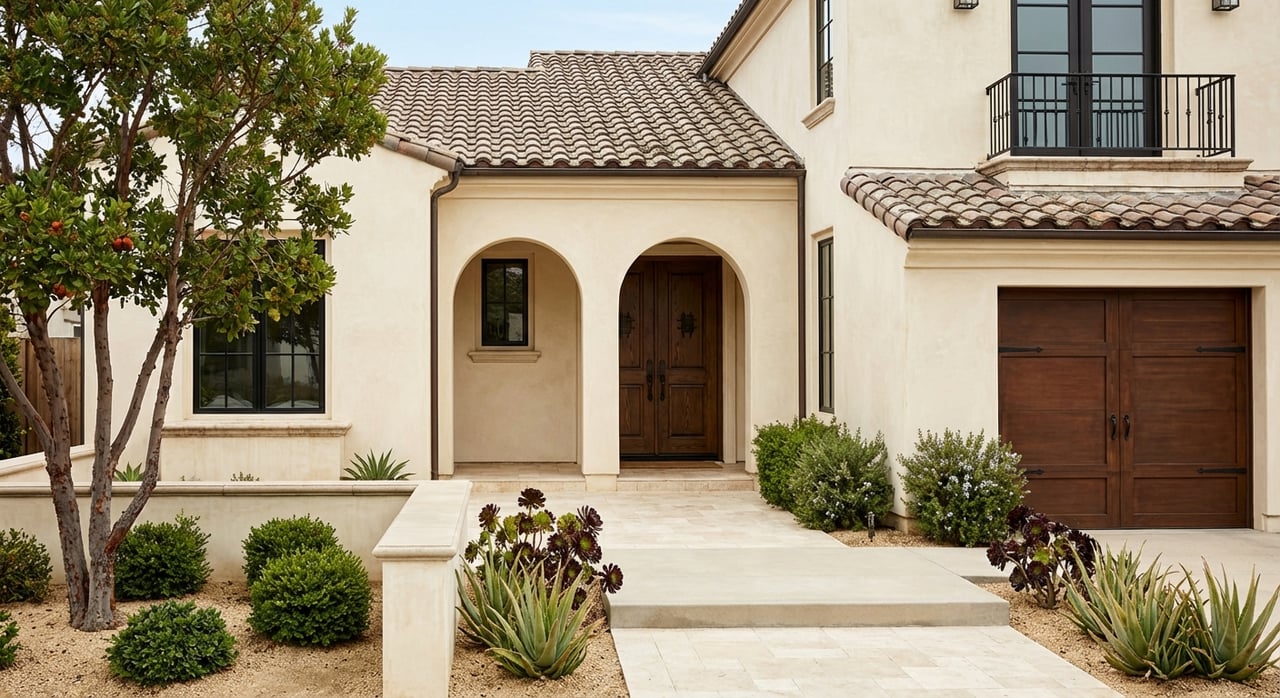
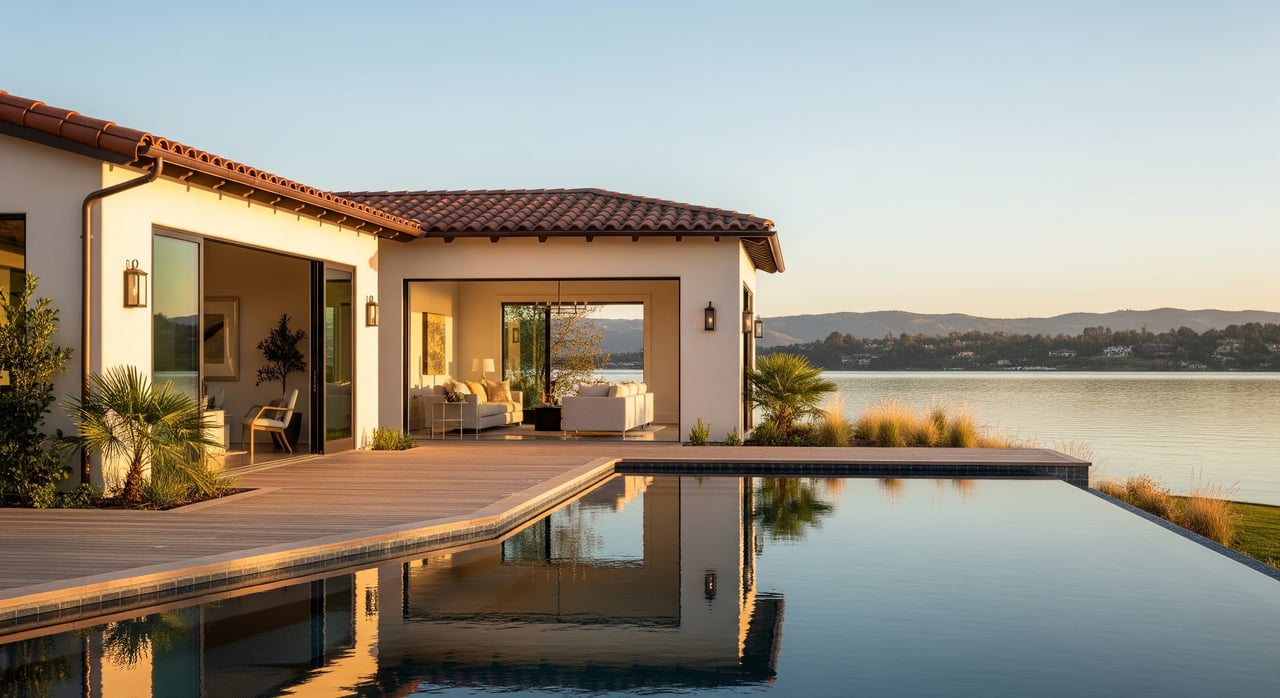
Riviera, T‑Street, Cotton Point, and the gated enclaves of Cyprus Cove and The Breakers are known for custom single-family homes and bluff‑top properties. Many homes are larger, and views or direct ocean adjacency can command premium pricing. If you want a coastal‑estate feel with privacy and water outlooks, this is where you focus.
Inland and hill neighborhoods
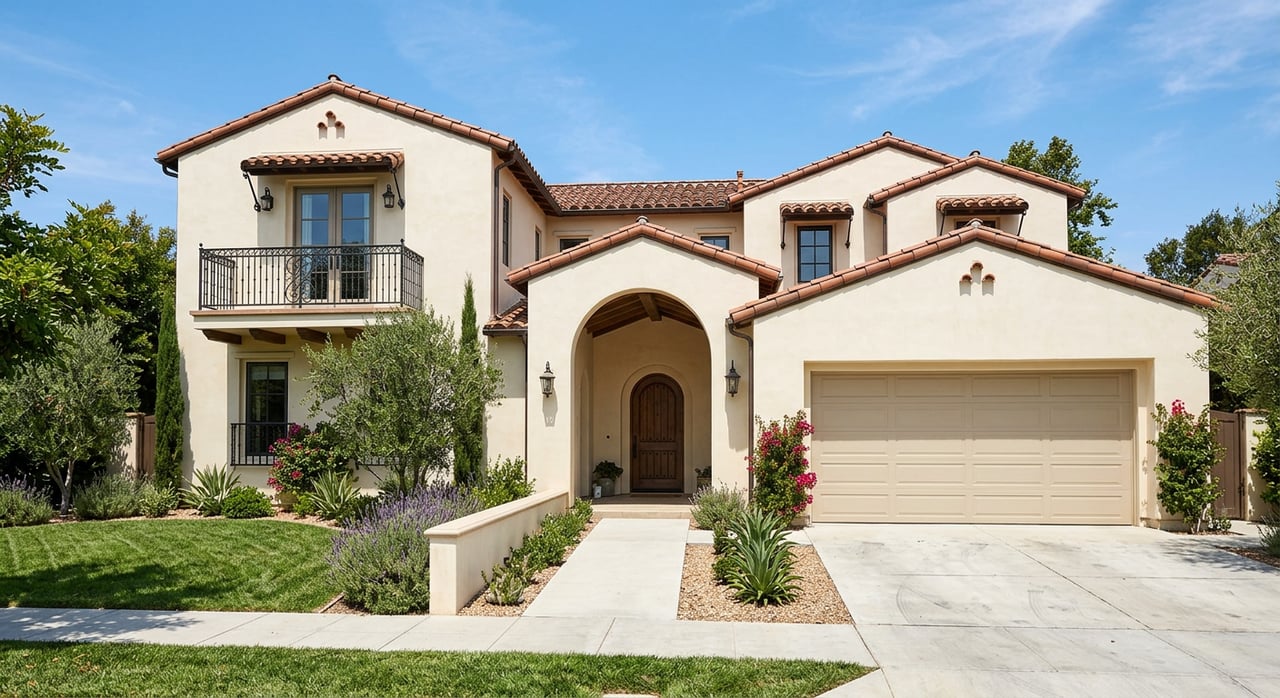
Talega, Forster Ranch, Rancho San Clemente, and inland parts of Marblehead offer newer, master‑planned living with larger lots and community amenities. Talega’s development began around the early 2000s and includes pools, parks, and a golf course, along with floor plans that favor multiple bedrooms and multi‑car garages. These areas often include HOAs, and Talega commonly includes Mello‑Roos assessments that fund community infrastructure, so budget for those recurring costs.
The daily routine: how it changes by area
Beach access and surf
If your goal is surf before work, prioritize the Pier Bowl, central streets near Avenida Del Mar, North Beach, or the southwest pockets around T‑Street. A multi‑use Beach Trail runs about 2.3 miles along the bluffs, linking several access points and making quick beach runs practical. For state beach access details and parking rules, check the San Clemente State Beach information. If you are chasing world‑class waves, Trestles sits just to the south in the San Onofre area, a short drive and hike from town. Learn about the break at Trestles.
Trails and bluff paths
Sea Summit and the north‑side bluffs feature neighborhood paths that connect to coastal viewpoints and tie into the Beach Trail. These short loops are a common lifestyle highlight in listings. Expect sunrise and sunset walks, with quick links to scenic overlooks and, for the north side, access toward the Outlets area.
Shopping, dining, and errands
Downtown along Avenida Del Mar is the most walkable main street for cafés, boutiques, and casual dining, which benefits the Pier Bowl and central blocks. Larger brand shopping and big‑box errands cluster at the Outlets at San Clemente off I‑5, handy for north‑coastal and inland residents. Get a feel for the center at the Outlets at San Clemente overview. Inland communities such as Talega also have village centers with groceries and day‑to‑day services close to home.
Walkability versus driving
You will walk more in the Pier Bowl and immediate downtown. Most other areas are car‑forward for daily errands, especially inland tracts and bluff‑top streets where grocery and retail are a quick drive rather than a short walk. Your choice is usually a trade between immediate beach and café access versus greater interior space, garages, and yards.
Commuting and transit facts
Driving the I‑5
Interstate 5 is the main north–south corridor into the Irvine business hubs and beyond. Central Irvine sits roughly 20 to 25 miles from San Clemente, which can take about 30 to 45 minutes in typical conditions. Traffic fluctuates by time of day, so check live directions before you go. For a reference on distance, see this San Clemente to Irvine distance guide.
Bus, rail, and the seasonal trolley
OCTA runs local bus service that connects San Clemente to neighboring cities. Routes can work well for targeted trips but usually do not replace car ownership. Explore OCTA updates on the Get Connected page.
San Clemente has two coastal rail stops, including the Pier station. Metrolink and Amtrak service can be convenient, but the coastal rail line through San Clemente has faced periodic interruptions due to erosion control work. If you plan to commute by train, check current alerts and project updates on OCTA’s Track Protection Project at Mariposa Point before you travel.
In summer, the city also operates a trolley that connects key activity nodes. See the city’s overview at Rolling Through Paradise: San Clemente for the latest.
Space vs surf: the core trade‑offs
Here is how buyers often frame the choice:
- Walk-to-surf living. Coastal north/central and southwest pockets offer the shortest morning routines to the beach, with smaller lots and more condos.
- More space and amenities. Inland and hill neighborhoods deliver larger yards, multi‑car garages, and community pools, with a short drive to beaches and retail.
- View premiums. Bluff‑top and ocean‑view homes often carry significant price premiums compared with inland and condo‑heavy areas.
- Ongoing costs. Plan for HOA dues in many communities and possible Mello‑Roos in Talega. Coastal buyers should review parking rules, short‑term rental restrictions, and site‑specific bluff stability notes during due diligence.
Which side fits your lifestyle?
- You want to surf or walk the pier before work. Focus on Pier Bowl, central streets near Avenida Del Mar, North Beach, or southwest pockets around T‑Street. Expect smaller lots and condo options, with cafés and the Beach Trail nearby.
- You want a larger single‑family home with a yard. Look inland to Talega, Forster Ranch, or Rancho San Clemente for multi‑bedroom floor plans, community parks, and garages. Budget for HOA dues and, in Talega, Mello‑Roos.
- You want gated enclaves and dramatic views. Explore south coastal communities like Cyprus Cove, The Breakers, and Cotton Point for custom homes and privacy, with premium pricing tied to ocean proximity and outlooks.
- You want fast access to big‑box shopping and I‑5. North and central pockets near the Outlets and inland neighborhoods with direct freeway links can trim errand and commuting time by car.
Budget notes to keep in mind
Pricing varies widely by pocket and property type. Oceanfront and bluff‑top homes in south coastal and select north/central areas can exceed broader city medians. Condo‑rich pockets and some inland tracts often list below the highest coastal tiers, while newer master‑planned homes can match or surpass city medians depending on size, upgrades, and views. Recent market snapshots cite a citywide median listing price in the low seven figures, and neighborhood medians can differ substantially. If you want current data by ZIP or neighborhood, we will pull a fresh set and time‑stamp it for you.
How I help you decide
You should not have to guess how a neighborhood will feel day to day. I map your routine first, then match it to housing options that fit your budget and timeline. That includes walk times to surf and coffee, drive checks to work and schools, HOA and Mello‑Roos review, and a clear plan from touring through close. If you are relocating or testing the area, we also support rental placement so you can learn the city before you buy.
Ready to compare homes, fees, and commute options side by side? Reach out to Molly Mentaberry for a custom neighborhood plan and to get your instant home valuation.
FAQs
What areas count as “North” vs “South” San Clemente in home searches?
- Locals group the coastal north and central pockets near the Pier Bowl and North Beach together, the southwest and south pockets near Riviera and T‑Street together, and then treat Talega, Forster Ranch, Rancho San Clemente, and inland Marblehead as separate inland or hill communities.
How does living in Talega change my beach routine?
- You trade walk-to-surf access for more space and amenities, so expect a short drive to the beach or coastal trail rather than a quick walk.
Are there HOAs or special taxes I should plan for in inland areas?
- Many master‑planned neighborhoods have HOA dues, and Talega commonly includes Mello‑Roos assessments, so account for these in your monthly budget.
How reliable is the train for commuting from San Clemente?
- Service exists but can be affected by coastal erosion work near the tracks, so check live alerts and project updates on OCTA’s rail page before you ride.
What are typical drive times from San Clemente to Irvine employment centers?
- Central Irvine is about 20 to 25 miles away, often 30 to 45 minutes in normal traffic, but conditions vary widely by time of day so verify with live directions.
Where will I walk more for daily errands in San Clemente?
- The Pier Bowl and downtown Avenida Del Mar area offer the most walkable access to cafés and shops, while most other pockets are car‑forward for day‑to‑day errands.