Choosing between Lake Forest’s newer master-planned communities can feel exciting and a bit overwhelming. You want resort-style amenities, energy-smart features, and a clear picture of ongoing costs. In this overview, you’ll learn how these neighborhoods are built and governed, what typical homes and amenities look like, how HOA dues and Mello-Roos work, and the key questions to ask before you tour. Let’s dive in.
Newer master-planned areas in Lake Forest
Lake Forest’s recent growth includes several planned neighborhoods built in phases. Builders deliver homes and amenities over time, so parks, trails, and clubhouses may open after sales begin. Always verify timing and access for the specific parcel you’re considering.
- Baker Ranch. A large, completed master plan with multiple clubhouses, pools, parks, and a master association structure. Explore the community’s amenities and association details on the Baker Ranch community site.
- Serrano Summit. A Lennar-built community with six collections that include townhomes, paired homes, and detached homes, plus a clubhouse, pools, and courts. The City’s page describes the mix and amenities for Serrano Summit.
- Portola Center and Portola Hills (including The Oaks). A broader planning area with multiple neighborhoods and parks delivered in stages. The area includes a mix of housing types and public-use spaces tied to the city’s long-term plan.
- Whisler Ridge and KB Home neighborhoods. Earlier phases introduced local examples of energy-forward building practices and standard solar offerings.
- Smaller approved parcels (for example, Teresina). Additional entitled projects appear in the city pipeline and are often built in phases. Confirm current status, lot counts, and amenity timing with city planning or the builder.
Home types and amenities you can expect
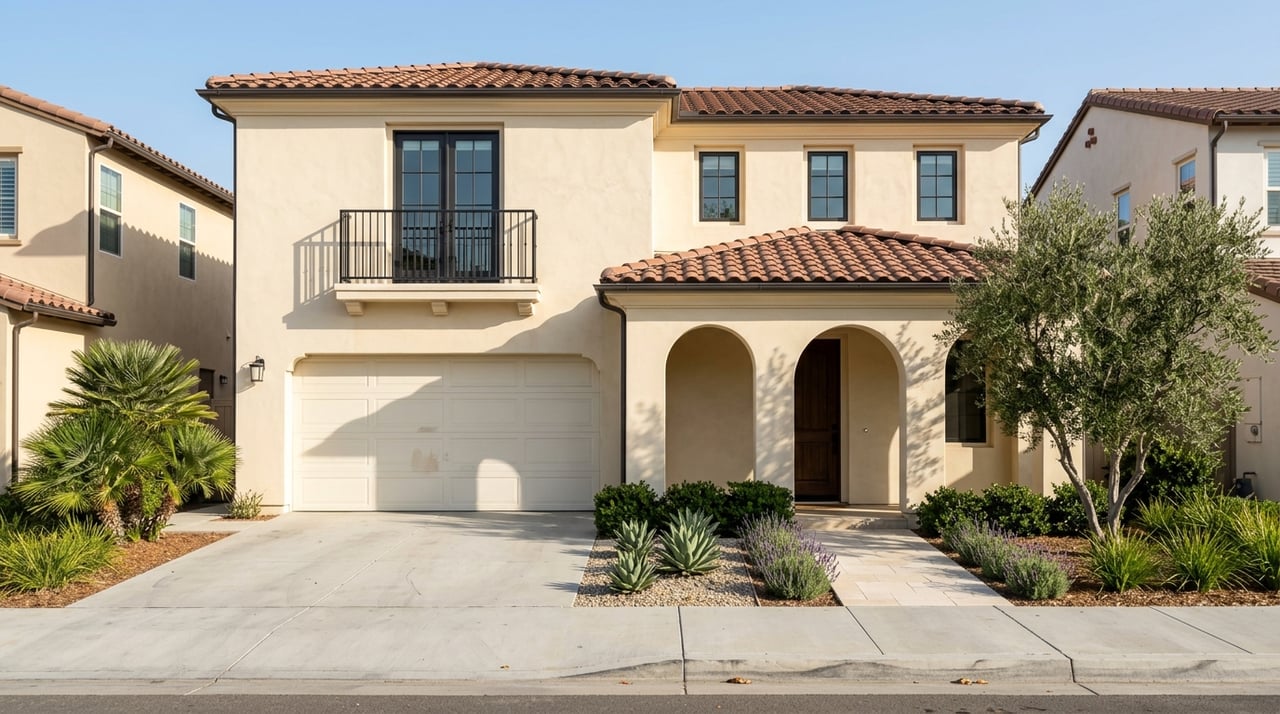
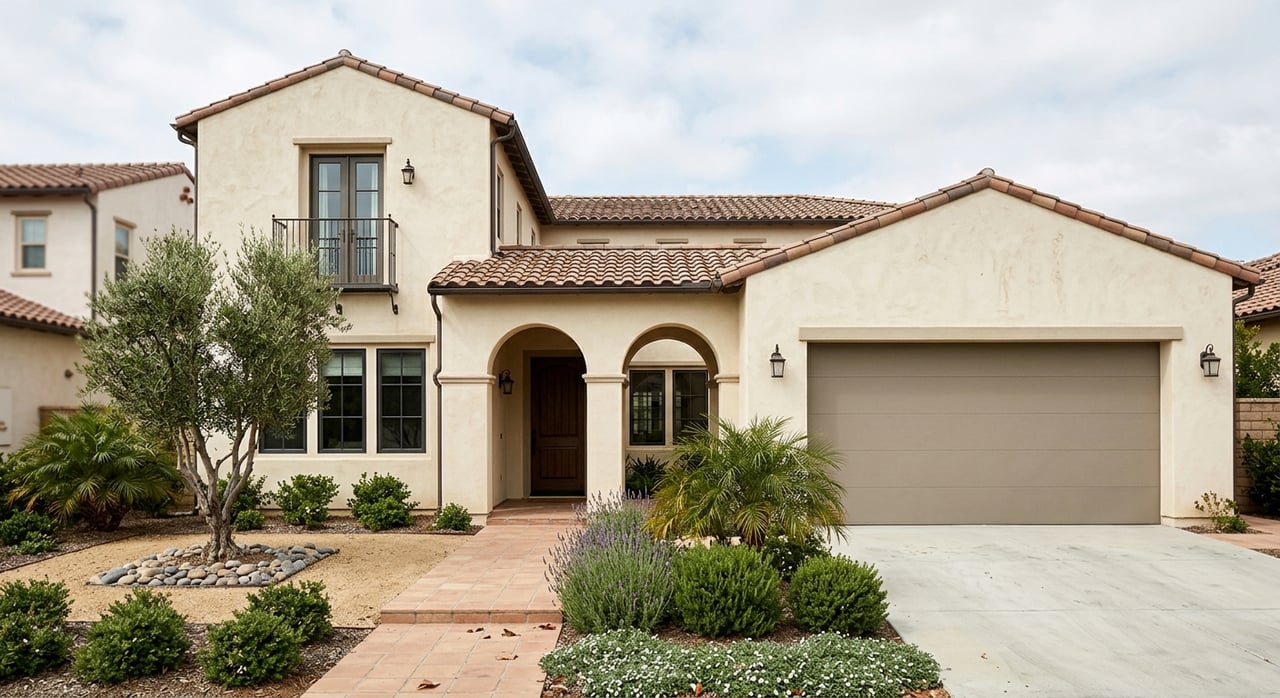
You’ll see a wide range of home products in these communities. Collections often target different life stages so you can compare attached and detached options within the same area.
Product mix. Attached townhomes and condos, paired or semi-detached homes, and two- or three-story detached single-family homes. Some plans offer roof decks or third-floor lofts for flexible space. Lennar’s collections at Serrano Summit show how builders serve entry-level through move-up buyers, which you can preview in their feature overview.
Amenity patterns. Expect community clubhouses, resort-style pools and spas, fitness rooms, BBQ and firepit areas, playgrounds, dog parks, multi-use courts including popular pickleball, and trail connections. Baker Ranch is a good example of a multi-clubhouse, multiple-park network run by a master association, as shown on the Baker Ranch community site.
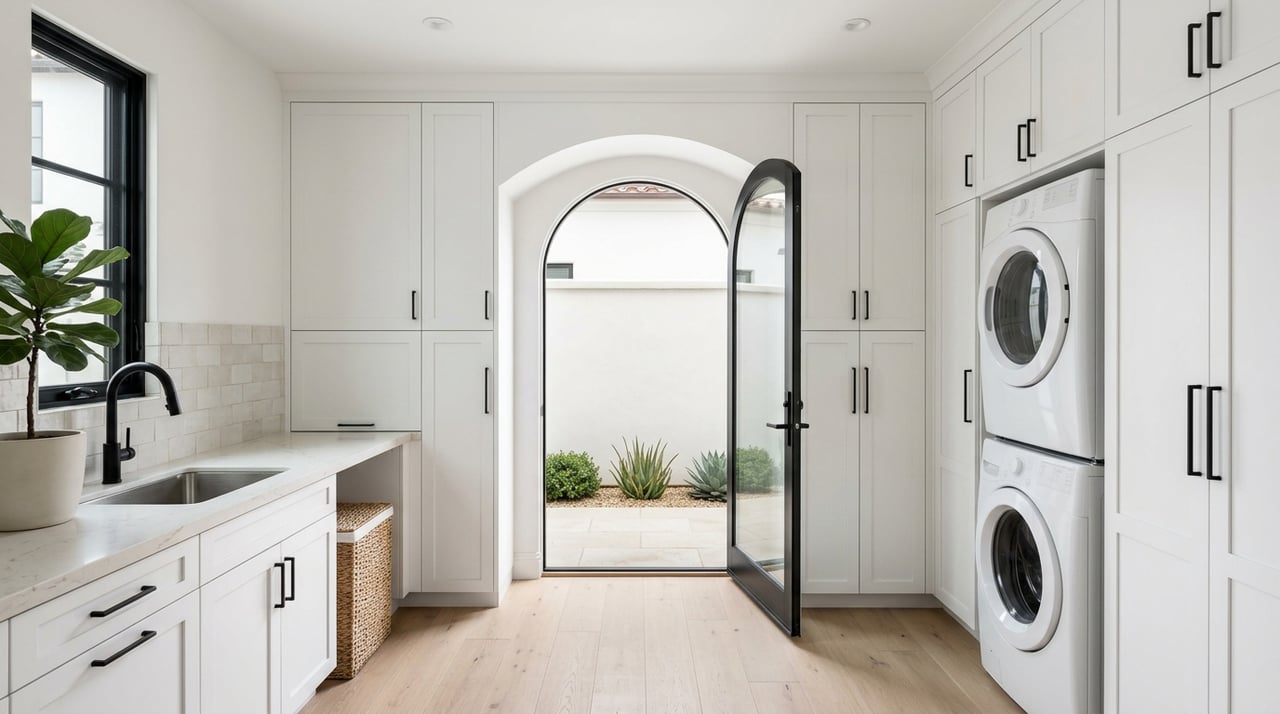
What builders often include. Many national builders bundle modern finishes and systems into base pricing. Common inclusions are solar panels (owned or leased, verify terms), quartz counters, energy-efficient appliances, smart-home packages, and EV-ready wiring. Lennar’s “Everything’s Included” messaging at Serrano Summit demonstrates this trend in Lake Forest.
HOA structure and fees, what to review
Large master-planned communities commonly have a master association plus sub-associations. The master association handles major amenities and shared areas. Sub-associations may handle neighborhood items such as gates, landscaping, or building maintenance for attached homes. Baker Ranch illustrates this with a master-run amenity network and neighborhood-level responsibilities.
Monthly dues vary by product type and which associations apply. Attached homes often pay more due to building maintenance, while detached single-family homes may pay less but still contribute to master amenities. To understand your total, request the HOA resale packet early and read it closely.
Under California’s Davis-Stirling Act, associations must provide an Annual Budget Report, a reserve summary, insurance information, and other disclosures in a resale packet. Review CC&Rs, recent meeting minutes, and any special assessment notices before you commit. Learn what is typically included in the packet from the Davis-Stirling Civil Code 5300 summary.
Mello-Roos and special taxes explained
“Mello-Roos” refers to special taxes levied by Community Facilities Districts to fund infrastructure or services. These are separate from the 1 percent base property tax and appear as distinct lines on the county tax bill. Orange County provides background and a lookup tool on the county’s Mello-Roos resource page.
Local notes for Lake Forest buyers:
Baker Ranch. The City of Lake Forest states that Baker Ranch homeowners do not pay Mello-Roos because landowners and the developer elected to satisfy certain obligations in cash instead of forming a CFD. Always confirm at the parcel level using county records. See the City’s Mello-Roos background note here: City of Lake Forest information on Mello-Roos.
Serrano Summit. City and builder materials indicated the community was delivered with no Mello-Roos. Still, verify per parcel because funding can differ by collection and phase. The City’s page for Serrano Summit outlines the development and amenities.
How to verify for a specific property:
- Pull the current Orange County secured property tax bill using the parcel number. The bill will list any CFD or special-tax lines. The county’s Mello-Roos page explains where these line items appear.
- Ask the seller or listing agent for the latest tax bill and the statutory Notice of Special Tax if applicable. California law addresses disclosures tied to CFDs and special taxes.
- Review your Preliminary Title Report for recorded CFD liens and any Rate and Method of Apportionment references. This tells you how the tax calculates and if escalators apply.
Practical budgeting tip: lenders typically treat recurring special taxes like part of your monthly housing expense. That can affect your qualifying ratios and your long-term budget. Compare total carrying costs across neighborhoods, not just list prices.
Energy, EV readiness, and warranties
Recent Lake Forest builds often include energy-efficiency features that can reduce utility costs and maintenance risk in the first years of ownership. Expect higher-performance windows and insulation, efficient HVAC, and solar panels that may be standard or offered as a package. Always confirm whether solar is owned, financed, or leased, and review any transfer requirements or maintenance responsibilities. Lennar’s Serrano Summit collections illustrate how builders bundle features into base pricing, as shown in their feature overview.
Many new homes are EV-ready with dedicated circuits or rough-ins. If you plan to install a charger, check HOA rules for specifications and approvals. Review CC&Rs and operating rules for any limits on exterior equipment, parking, or wiring.
Builders provide express limited warranties, commonly one year for fit and finish with longer systems and structural coverage. California’s SB 800, also known as the Right to Repair law, sets standards and notice-and-repair procedures for construction defects. Ask for the builder’s warranty documents at contract and keep them handy, along with the process for submitting claims and any required inspections. You can read the statute text for SB 800.
New communities vs older neighborhoods
Choosing between a new master-planned community and an older neighborhood comes down to lifestyle and budget priorities. Use the quick comparison below to guide your thinking.
New community advantages
- Modern floor plans, flexible lofts, and home office options.
- Energy features, lower immediate maintenance risk, and builder warranties.
- Resort-style amenities, trail networks, and master-planned upkeep.
Older neighborhood advantages
- Mature landscaping and, in some cases, larger lots.
- Sometimes lower or no HOA dues in select pockets.
- Established infrastructure and potential value per square foot, depending on the market.
For resale and financing, remember that recurring costs like HOA dues and any special taxes affect monthly affordability and marketability. Compare total cost of ownership across your short list, not just the sticker price.
Buyer checklist before you tour
Bring this list to your first visits so you can make confident, apples-to-apples comparisons.
Documents to request:
- Current Orange County property tax bill for the parcel. Check for any special tax or CFD line items using the county’s guidance on the Mello-Roos page.
- HOA resale packet and Annual Budget Report, including reserve summaries and the most recent meeting minutes. Note any planned special assessments or loans.
- CC&Rs, bylaws, and operating rules, including policies on rentals, parking, EV charging, and exterior changes.
- Builder warranty documents and the SB 800 notice-and-repair process. Confirm warranty start date, coverage lengths, and contact procedures.
- Solar paperwork showing whether the system is owned, financed, or leased, plus any transfer terms or service agreements.
- Preliminary Title Report excerpts and any recorded CFD lien documents.
- Community map and amenity schedule that shows what is complete, what is private versus public, and your expected access timeline.
Questions to ask on site:
- What is included in the base price versus options, with itemized upgrade pricing?
- Is solar standard or optional, and who owns or services the system?
- Is the parcel subject to any special taxes or CFDs? If yes, what is the current levy, escalation formula, and remaining term?
- What are total HOA dues for master and sub-associations? What is covered by each, and are any special assessments planned?
- Are there rental restrictions or upcoming transfers of association control from the developer to homeowners?
- Can you see recent closed sales in the same collection or sub-association for pricing context?
Red flags to pause for: incomplete or delayed amenities without written timelines, unclear HOA financials or missing reserve studies, solar leases with murky transfer obligations, and reluctance to share the current tax bill or title report. If anything is unclear, slow the process until you have the documents.
When you are ready to compare options, a calm, step-by-step plan helps you move fast without missing details. If you want a guided path through disclosures, timelines, and neighborhood tradeoffs, reach out to Molly Mentaberry for personalized advice and on-the-ground support in Lake Forest.
FAQs
What are Lake Forest’s newest master-planned communities?
- Baker Ranch, Serrano Summit, and parts of Portola Center and Portola Hills are among the newer master-planned areas, with smaller entitled projects also in the pipeline.
How do HOA dues work in these neighborhoods?
- Large master plans often have a master HOA plus sub-associations; dues vary by product type and coverage, so review the resale packet, budget, and reserve study before you commit.
Do Baker Ranch or Serrano Summit have Mello-Roos taxes?
- The City notes Baker Ranch and Serrano Summit were delivered without Mello-Roos, but always verify on the property’s tax bill and title report for the exact parcel.
How can I check for special taxes on a property?
- Pull the Orange County secured tax bill, look for CFD line items, ask for the Notice of Special Tax if applicable, and check the Preliminary Title Report for recorded liens.
What energy features come standard in new Lake Forest homes?
- Many builders include solar, efficient HVAC, and smart-home features; confirm ownership versus lease terms and review the builder’s inclusion list for your specific collection.
What warranties apply to new construction in California?
- Builders provide limited express warranties, and SB 800 sets notice-and-repair procedures for defects; request the warranty packet and understand timelines before closing.