Trying to decide between a townhome and a single-family home in Irvine? You are not alone. The choice affects your budget, daily routine, upkeep, and long-term flexibility. In this guide, you will get a clear, local look at costs, HOAs, maintenance, commute factors, and a step-by-step framework to help you choose with confidence. Let’s dive in.
Irvine market basics: what drives price
In Irvine, detached single-family homes usually cost more than attached townhomes. You are paying for private land, yard space, and greater privacy. Townhomes generally offer a lower entry price, smaller down payment, and lower property tax bills tied to a lower assessed value.
Price gaps vary by village, lot size, age of the property, HOA amenities, and proximity to job centers like Irvine Spectrum and John Wayne Airport. School attendance areas also influence pricing. For current figures, ask your agent for recent comparable sales from the past 3 to 6 months in your target neighborhoods.
What HOAs change in your decision
How CIDs and HOAs work in California
Most Irvine townhomes are in Common Interest Developments with homeowners associations that manage shared structures and spaces. The Davis‑Stirling Common Interest Development Act sets the rules for budgets, reserves, disclosures, and owner rights. Before you buy, review the HOA’s governing documents and financials as required by the Act. You can read more about these rules in the California code under the Davis‑Stirling Common Interest Development Act.
Fees, reserves, and assessments
HOA dues in Irvine range widely based on amenities and insurance coverage. Look beyond the monthly number. Ask for the reserve study, recent meeting minutes, and any notices of special assessments or litigation. Healthy reserves reduce the chance of surprise costs and can support smoother loan approvals for condos and townhomes.
Insurance and property taxes
For most townhomes and condos, the HOA’s master policy covers the building exterior and common areas. You carry an HO‑6 policy for interiors and personal property. Detached homeowners typically carry an HO‑3 or HO‑5 policy for the whole structure and lot.
Many Orange County neighborhoods include special taxes known as Mello‑Roos that fund local infrastructure. These appear on your county tax bill in addition to base property taxes. Learn how to verify them through the Orange County Treasurer‑Tax Collector’s guidance on Mello‑Roos and special assessments.
Space, layout, and maintenance
Townhome living in Irvine
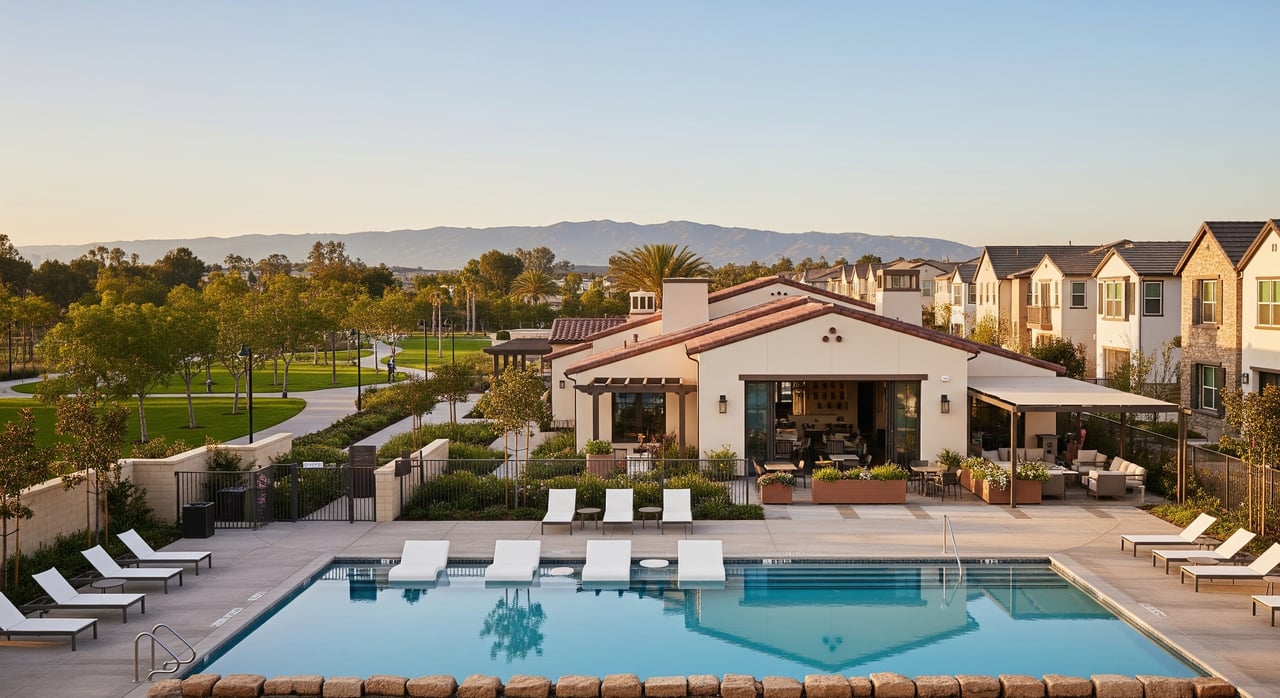
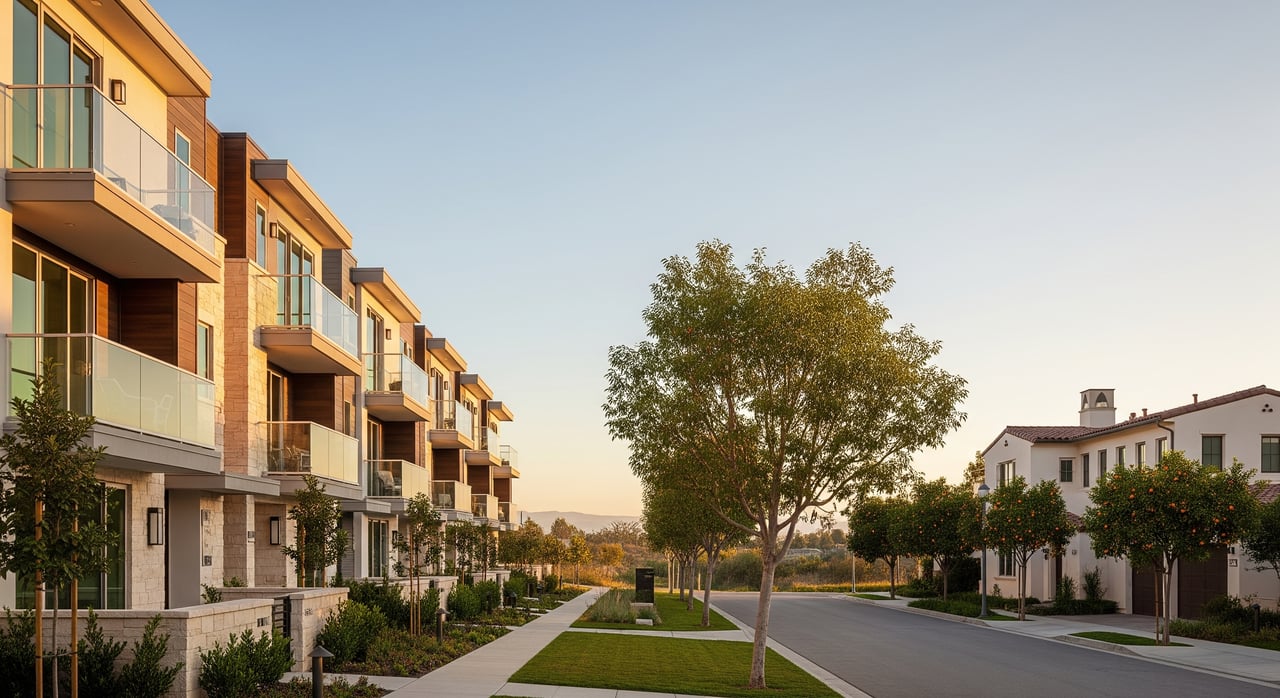
You will often find 2 to 3 bedrooms with 2 to 3 stories, attached garages, and small patios or fenced yards. Exterior maintenance, roofing, and common landscaping are typically handled by the HOA, which reduces day-to-day tasks. Community amenities like pools and parks are common, with rules that govern exterior changes, parking, and pets.
Detached home living
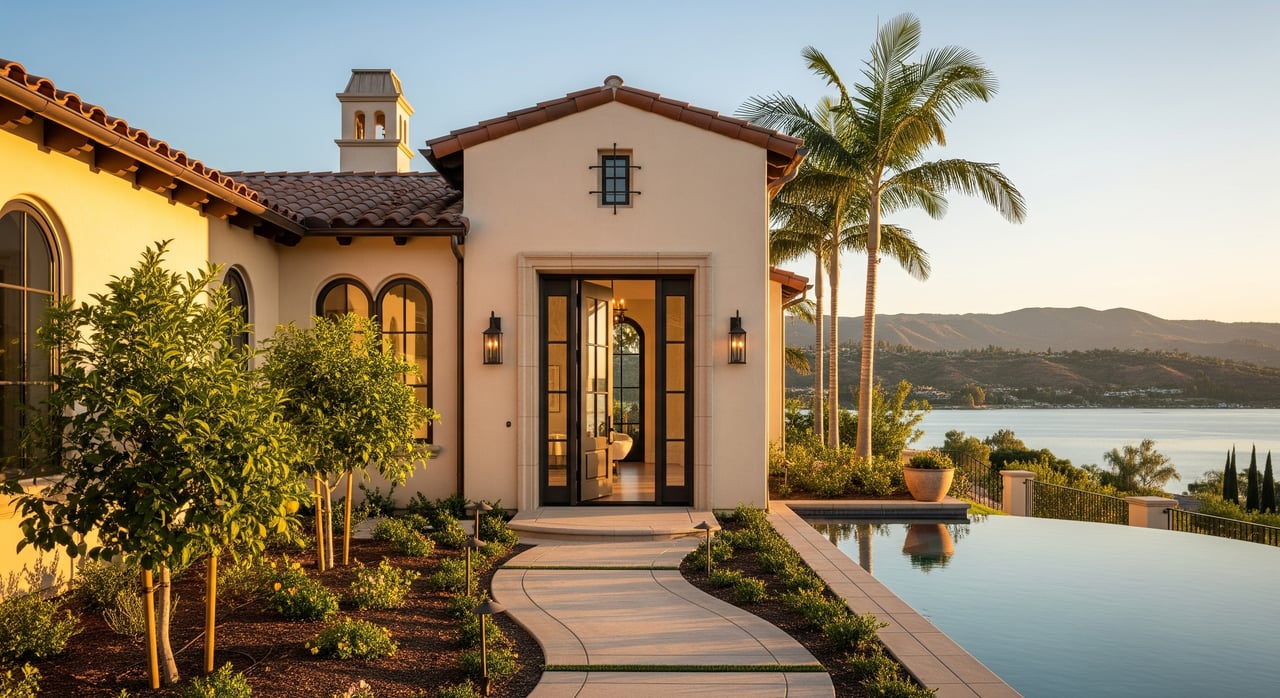
Detached homes offer private front and back yards, 2 to 3 car garages, and more flexible lot layouts. You manage everything on the lot, including the roof, exterior paint, landscaping, and any pool. You also have more freedom to remodel or add structures, subject to permits and any master HOA rules.
Cost and time tradeoffs
- Townhomes: predictable monthly HOA dues and lower routine maintenance, with the risk of special assessments.
- Single-family homes: variable maintenance and larger capital projects over time, but more control and private outdoor space.
Location, commute, and lifestyle
Commute corridors and transit options
Irvine’s major routes include I‑405, I‑5, SR‑55, and SR‑73. Your commute can vary widely by direction and time of day. Regional rail at Irvine Station connects to Metrolink and Amtrak Pacific Surfliner service. Check schedules at Metrolink’s Irvine Station page and the Pacific Surfliner Irvine Station page. The city also supports local bus networks and bike paths in many villages.
The city’s mean travel time to work generally falls in the high 20s to low 30s minutes range, though your destination will change that. See city-level context in U.S. Census QuickFacts for Irvine.
Schools and boundaries
School assignment in Irvine is neighborhood based. If schools are a priority, verify boundaries for a specific address with the Irvine Unified School District’s Identify Your School tool. School zones can influence both demand and long-term resale potential.
Noise, privacy, and pets
Townhomes share walls and sometimes ceilings, which can affect noise and privacy. Detached homes reduce shared-wall noise and provide private yards. Many townhome HOAs have pet policies and size limits. Confirm the rules early if you have pets or plan to add them.
A step-by-step decision framework
- Budget and monthly cost tolerance
- Get pre‑approved and ask your lender to model mortgage, taxes, insurance, HOA dues, and a maintenance reserve.
- Compare down payment needs and any mortgage insurance.
- Space vs. maintenance
- Prioritize yard, privacy, and ability to expand if you lean detached.
- Prioritize reduced upkeep, amenities, and a lower entry price if you lean townhome.
- Commute and location
- Map your commute from specific addresses and compare travel times at peak hours.
- Schools and family needs
- Confirm school assignments for each property and consider future plans.
- Financing and future flexibility
- For condos/townhomes, confirm the project’s eligibility with your lender and review rental rules if you may lease later.
Buyer checklist before you write an offer
- HOA resale certificate with CC&Rs, bylaws, rules, budget, reserve study, insurance certificate, and meeting minutes.
- Recent comparable sales from the last 3 to 6 months for both townhomes and detached homes in the same area.
- Property tax details, including any Mello‑Roos or special assessments.
- Lender pre‑approval that includes HOA dues in your debt‑to‑income ratio.
- Inspection plan: home inspection for all properties; pest/wood‑destroying organism inspection is common for detached homes.
- Any known public works or major projects planned nearby.
Questions to ask your lender
- How do HOA dues affect my qualifying payment and debt‑to‑income ratio?
- Are there condo or townhome project requirements that could impact loan approval?
- What down payment and cash reserve requirements apply to each property type?
- Will I need mortgage insurance, and what will it add monthly?
- Can you provide side‑by‑side monthly payment estimates including taxes, insurance, HOA dues, and maintenance?
Questions to ask your agent
- What are the best recent comps for townhomes and detached homes in my target area and school zone?
- Is the property in an HOA, and can I review the full resale packet before writing an offer?
- Are there any upcoming special assessments, litigation, rental caps, or unusual rules in the community?
- What are the parking and guest parking rules?
- How is inventory trending for townhomes versus detached homes in these neighborhoods?
Which one fits you?
If you want private outdoor space, future expansion options, and more control over your property, a detached home likely fits best. If you want a simpler maintenance routine, community amenities, and a lower upfront price, a townhome is often the smarter entry point. Either way, the right choice comes from matching your budget, time, commute, and lifestyle to the property.
Ready to compare real options and run the numbers for specific Irvine neighborhoods? Reach out to Molly Mentaberry for a clear plan, organized documents, and a stress‑reduced path to the right home.
FAQs
What are the biggest cost differences between Irvine townhomes and single-family homes?
- Townhomes usually have lower purchase prices and predictable HOA dues, while detached homes often cost more upfront and carry variable maintenance and larger long‑term projects.
How do HOAs affect insurance and maintenance in Irvine?
- HOAs often cover exterior structure, roofs, and common areas with a master policy; owners carry an HO‑6 for interiors. Detached owners carry full home policies and handle all exterior upkeep.
What is Mello‑Roos and how do I check for it?
- Mello‑Roos is a special tax that funds local infrastructure and appears on your county tax bill. Verify details through the Orange County Treasurer‑Tax Collector’s Mello‑Roos resources.
How does the commute in Irvine influence my choice?
- Proximity to I‑405, I‑5, SR‑55, SR‑73, and Irvine Station can save time daily. Check rail options at Metrolink Irvine Station and Pacific Surfliner Irvine, then map drives from specific addresses.
Where can I verify school assignments for an Irvine address?
- Use Irvine Unified School District’s Identify Your School tool to confirm boundaries for each property you consider.