Wondering why one Irvine home shows a low HOA fee while another carries a much bigger monthly number? You are not imagining it. In Irvine, your monthly housing budget can be shaped by more than just the mortgage, and HOA costs often depend on the type of home, the neighborhood’s amenity package, and whether there are extra layers like sub-associations or special taxes. If you want to compare homes with confidence, it helps to know what those costs actually pay for. Let’s dive in.
Why HOA Costs Matter in Irvine
When you buy in Irvine, the HOA line item is only one piece of your monthly housing cost. California HOA budgets are typically built around operating expenses, administration, reserve funding, and in some cases special assessments or user fees. That means the number on the listing sheet may not tell the full story by itself.
State rules also matter. California limits regular assessment increases above 20 percent and special assessments above 5 percent of budgeted gross expenses without member approval. At the same time, reserve planning is required, and boards must conduct a reserve study inspection at least once every three years.
For you as a buyer, that means two things. First, a higher HOA is not automatically a bad sign if it supports major amenities and healthy reserves. Second, a lower HOA is not always the better deal if it leaves out services or comes with separate fees later.
What HOA Dues Usually Cover
In Irvine communities, HOA dues can pay for a wide range of shared costs. Depending on the neighborhood, that may include landscaping, irrigation, lighting, pools, spas, recreation areas, staffing, buildings, and long-term replacement reserves.
Some communities keep the scope simple and focus on basic common-area care. Others support a much larger amenity system with multiple pools, parks, clubs, trails, and event spaces. The difference can have a real effect on your monthly budget.
It is also important to separate HOA-funded amenities from city-run amenities. The City of Irvine notes that community parks, neighborhood parks, and open space are not all the same, and some neighborhood parks do not include public facilities or staff. So a neighborhood may feel rich in outdoor access even when the HOA itself is not funding every recreational feature you see nearby.
Irvine Amenities Can Change the Math
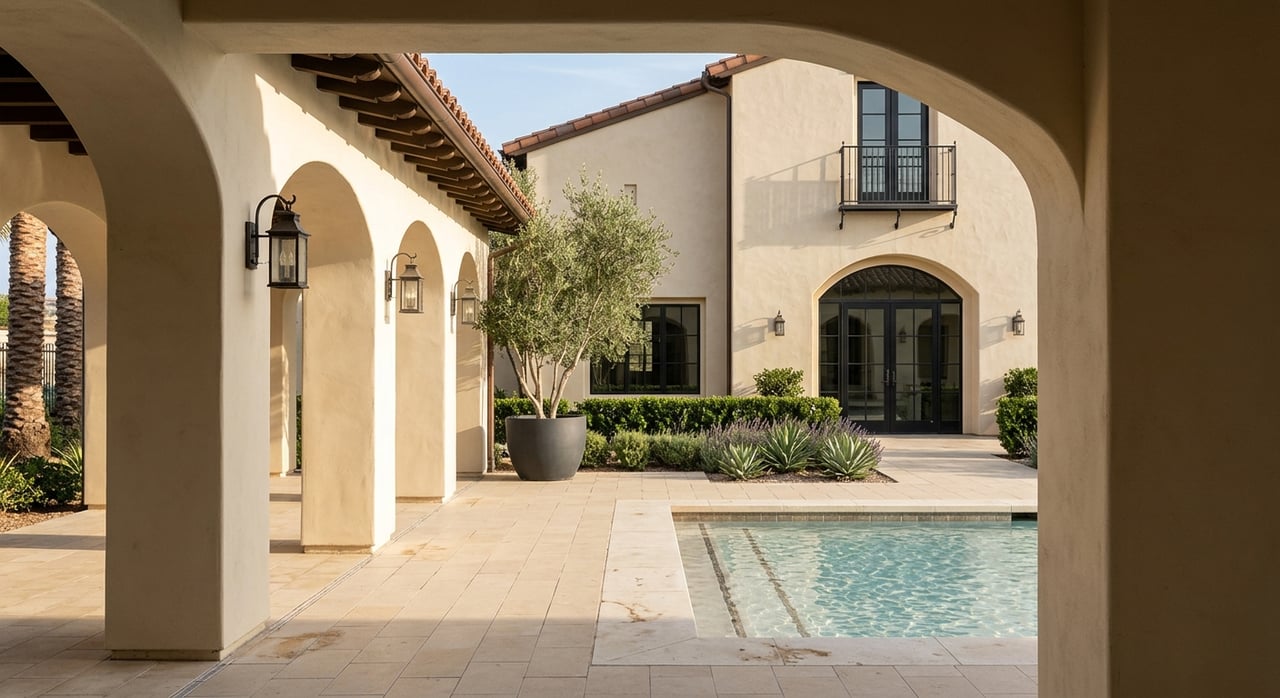
Amenities are one of the biggest reasons HOA dues vary from one Irvine neighborhood to another. If a community maintains pools, spas, club spaces, trails, staffed facilities, and landscaped gathering areas, those features need ongoing maintenance and reserve funding.
That does not mean every amenity is fully included in your monthly dues. In some Irvine communities, residents still pay separate fees for reservations, rentals, passes, or specialized use. If you plan to use those features often, your true monthly lifestyle cost may be higher than the base HOA number suggests.
A practical way to think about it is this: the more robust the amenity package, the more important it is to ask what is included and what costs extra. That question can help you avoid surprises after closing.
Great Park Shows a Newer HOA Model
Great Park Neighborhoods is a strong example of how a newer, amenity-heavy master plan can shape your budget. The community association states that master HOA dues are collected monthly to cover common-area operating costs and reserve funding, and those dues fluctuate between $221.83 and $260 per month during buildout.
The association says those dues support common-area landscape, irrigation, lighting, pools and spas, buildings, and other shared items. It also notes that some homeowners pay an additional sub-association fee, which adds another layer to the monthly cost.
That structure matters when you compare homes. Two properties in the same broad master-planned area may not carry the same monthly obligation if one belongs only to the master association and another belongs to both the master HOA and a sub-association.
Great Park also highlights another budgeting issue: user fees. The neighborhood promotes access to pools, parks, trails, community spaces, events, greenhouses, art, and nature, but some indoor and outdoor spaces require a nominal reservation fee.
There is also a separate tax issue to keep in mind. The City of Irvine says Great Park residents receive certain priority access and discounts because they contribute to the Community Facilities District, and Orange County explains that Mello-Roos or CFD charges are special taxes billed on the property tax bill to finance public improvements and capital facilities. That means your total monthly ownership cost may include both HOA dues and a separate CFD-related tax burden.
Woodbridge Shows a Different Budget Picture
Woodbridge Village Association offers a useful contrast. It is an older Irvine community, but it still supports a very large amenity system. The association reports 9,639 residential properties across 1,700 acres, with 41 recreational facilities, two lakes, 22 pool facilities, a splash pad, 16 spas, two beach lagoons, 23 tennis courts, and four pickleball courts.
Even with that broad amenity base, the 2026 monthly assessment is listed at $157 per unit, up $10 from 2025. The association says that increase is split between operating costs and reserves, which gives buyers a clearer picture of how the money is being allocated.
Woodbridge also shows why you should not assume all amenities are covered by the monthly fee. The association charges separate user fees for some items, including boat passes, and it publishes rental fees for certain facilities. So even in a community with a moderate monthly assessment, your actual cost can rise based on how you plan to use the neighborhood.
Why Home Type Matters
The type of home you buy can influence how closely you need to study the HOA budget. In Irvine, attached homes often deserve a deeper review because associations may take on more responsibility for shared structures, exterior maintenance, or common building components.
That does not mean detached homes are simple by default. A detached home may still be part of an HOA that funds parks, trails, gates, landscaping, or recreation centers. But attached condos and townhomes often require extra attention to what the association covers and whether there is a second layer of dues.
Great Park helps illustrate this point because the same master plan includes both attached townhome collections and detached single-family collections. In practice, that can lead to different monthly obligations depending on the product type and the association structure tied to it.
Questions to Ask Before You Buy
If you want a clean, realistic budget, ask these questions before you fall in love with a property:
- What does the monthly HOA assessment cover?
- Is there a master HOA, a sub-association, or both?
- Are there separate Mello-Roos or CFD charges on the property tax bill?
- Are amenities like reservations, rentals, classes, or passes extra?
- How strong are the reserves, and has the board signaled future increases?
These questions can help you compare homes more accurately. They also make it easier to judge whether a higher HOA reflects real value, or whether a lower HOA could come with tradeoffs or future risk.
How to Compare Irvine Homes More Accurately
When buyers compare Irvine homes, it is easy to focus on price first. But a lower purchase price paired with layered HOA dues, user fees, and CFD taxes may not feel cheaper month to month than a home with a higher list price and simpler ownership costs.
A better approach is to review the full monthly picture. Look at the mortgage, property taxes, HOA dues, any sub-association dues, and whether the neighborhood has separate charges tied to amenities or CFDs.
Then compare that cost against what you actually value. If you know you will use pools, trails, event spaces, or recreation facilities often, a higher HOA may fit your lifestyle. If you prefer a leaner monthly budget, you may want a community with fewer association-funded extras.
Budget for More Than the Sticker Fee
In Irvine, HOA dues can tell you a lot about how a community operates, but they do not tell you everything. The real story is in what the association maintains, whether there are extra layers of fees, and how much of the neighborhood experience comes from the city versus the HOA.
That is why process matters. A careful review of the budget, reserve summary, amenity structure, and any separate tax obligations can help you make a smarter decision before you commit.
If you are weighing Irvine neighborhoods and want help comparing the true monthly cost of ownership, Molly Mentaberry can help you sort through the details with a clear, organized approach.
FAQs
What do HOA dues usually cover in Irvine neighborhoods?
- HOA dues in Irvine may cover shared landscaping, irrigation, lighting, pools, spas, buildings, staffing, recreation areas, and reserve funding, but the exact coverage depends on the specific community.
How do Great Park HOA costs affect a monthly Irvine budget?
- In Great Park, buyers may have master HOA dues, possible sub-association dues, reservation fees for some spaces, and separate CFD or Mello-Roos taxes billed with property taxes.
Why should condo and townhome buyers review Irvine HOA documents closely?
- Attached homes often involve more shared maintenance responsibilities and may have layered associations, which can affect dues, reserves, and the risk of future special assessments.
Are Irvine city parks included in HOA fees?
- Not always. The City of Irvine operates its own parks and facilities, so some nearby recreation may be city-provided rather than funded by your HOA.
Can an amenity-rich Irvine neighborhood still have extra fees?
- Yes. Some communities charge separate fees for reservations, rentals, passes, or specialized use even when residents already pay monthly HOA assessments.