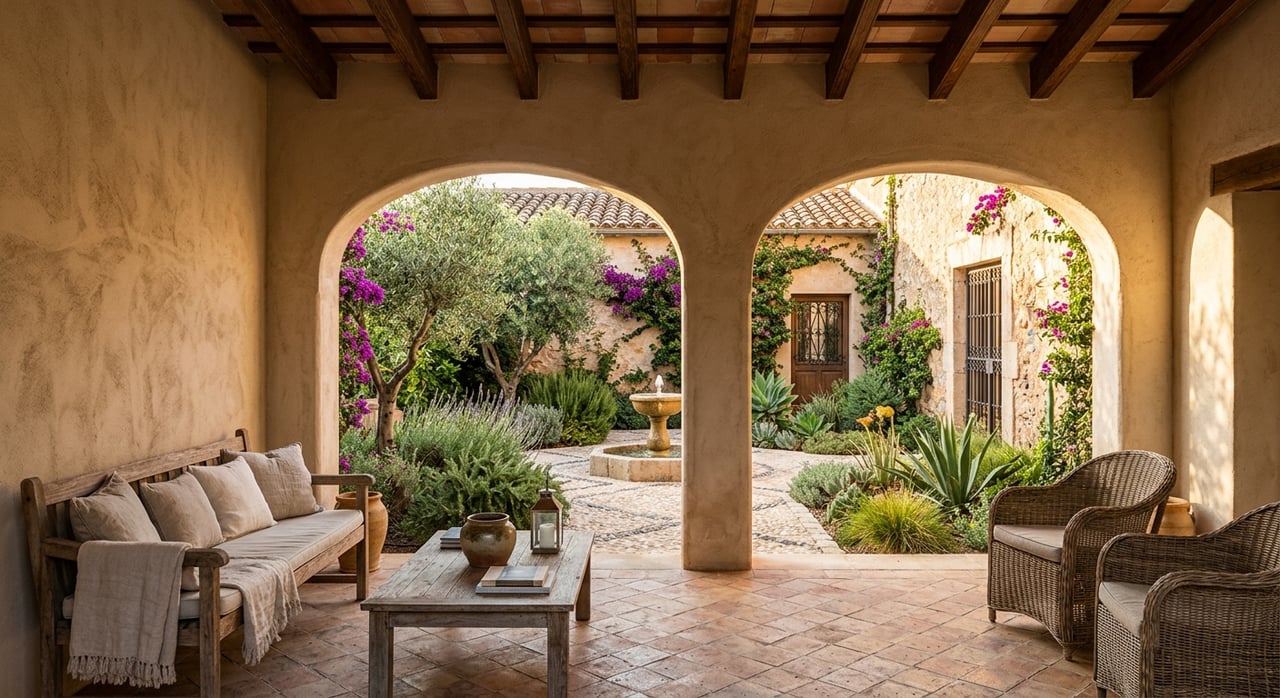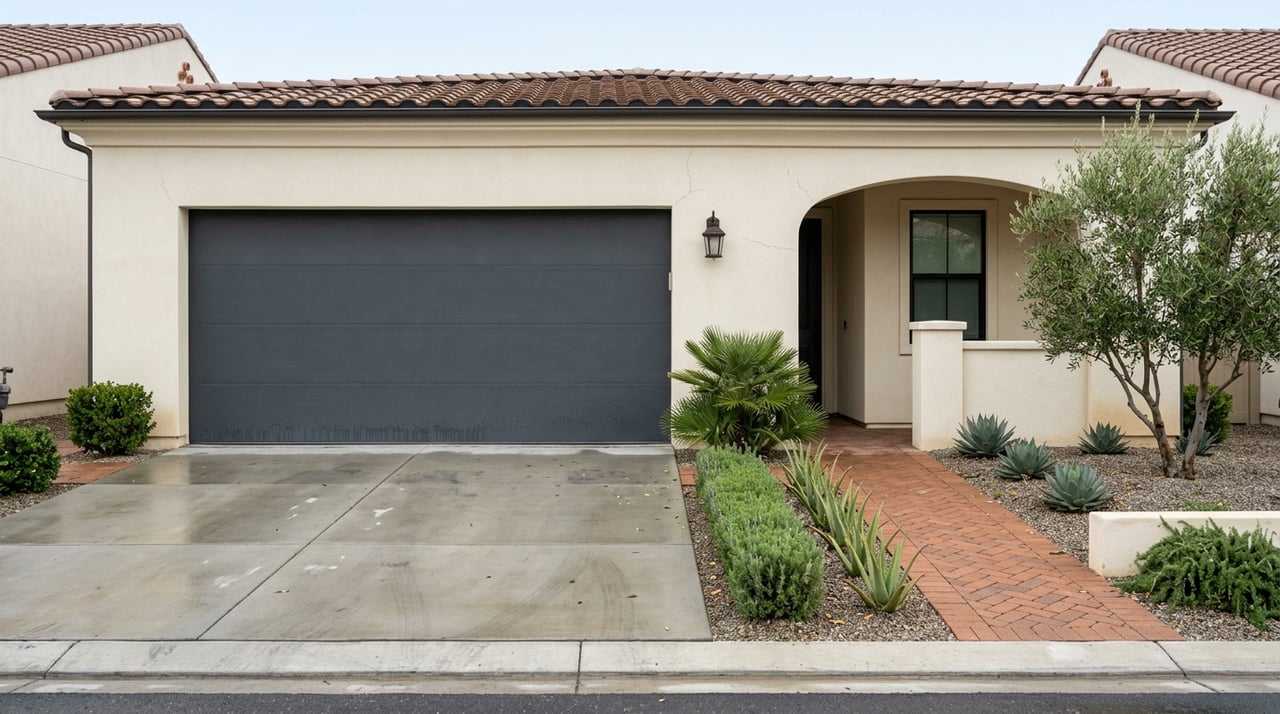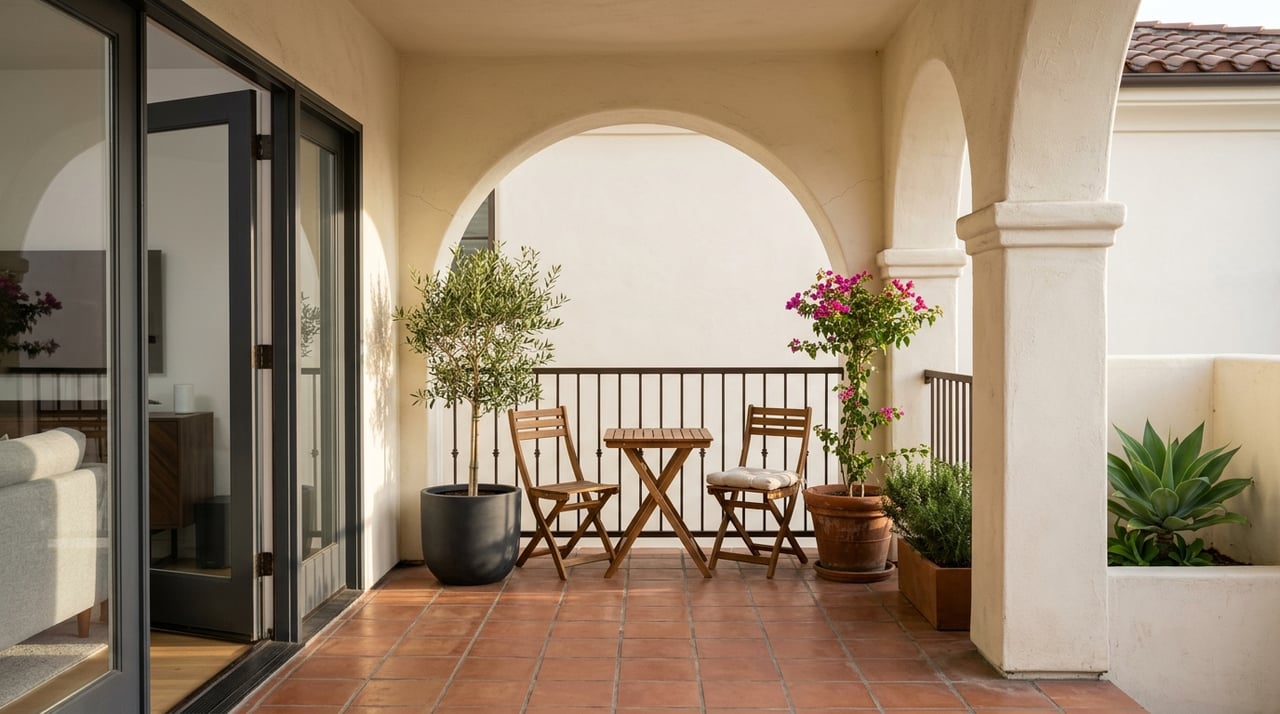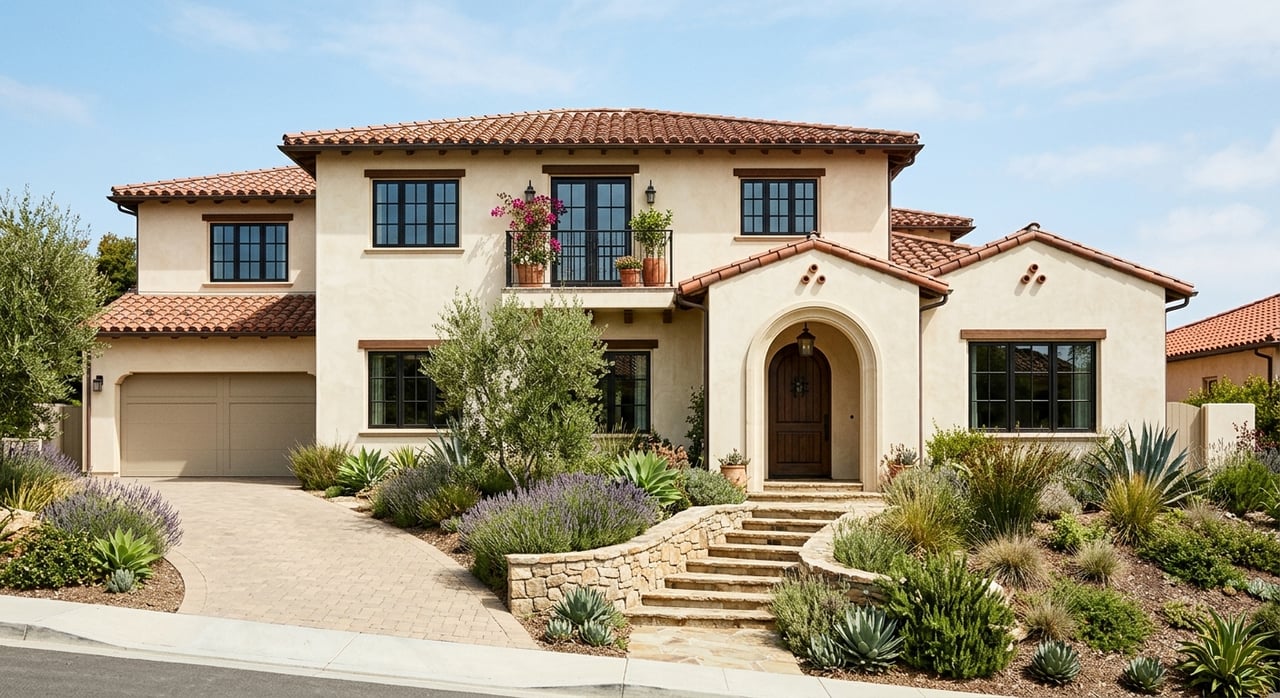
Wondering whether the hills or the center of Mission Viejo would fit your everyday life better? That choice is less about a “better” part of town and more about how you want your home, errands, commute, and weekends to feel. If you are trying to picture your real routine, not just a listing photo, this guide will help you compare home styles, lifestyle patterns, and practical tradeoffs in Mission Viejo. Let’s dive in.
How Mission Viejo’s Layout Shapes Daily Life
Mission Viejo was built as a master-planned community on former ranch land with rolling hills. Because of that, the hills-versus-central decision often comes down to elevation, street layout, and how much slope you want built into your daily routine.
In practical terms, hillside areas tend to bring more curves, climbing streets, and elevated lots. Central Mission Viejo is generally closer to major civic, shopping, and recreation destinations, which can make daily movement feel simpler and flatter.
The city’s planning framework also reflects real topographic considerations, including fire hazards, geologic risks, flooding, climate change, and evacuation constraints. For you as a buyer, that means terrain is not just a visual feature. It is part of how a home functions day to day.
Hillside Mission Viejo: What It Feels Like
Hillside neighborhoods in Mission Viejo are often the areas where the streets rise, curves are more common, and lots may capture longer views. Many buyers are drawn to these settings because they can feel more tucked away and more visually open.
If you like a home that feels set apart from the main flow of the city, hillside living may appeal to you. The tradeoff is that everyday details matter more, especially driveway slope, lot grading, and the route you take in and out of the neighborhood.
Hillside Home Styles
Mission Viejo has a broad housing mix that includes single-family detached homes, attached homes, condos, multi-family housing, manufactured housing, mobile home parks, second units, and senior housing. Still, many buyers associate hillside homes with elevated lots and footprints that make the most of views and topography.
That does not mean every hillside home is the same style. It does mean these homes often feel shaped by the land itself, with layouts, yards, and outdoor space responding to slope and elevation.
Hillside Routines to Expect
In hillside areas, your routine may involve a little more planning. A quick dog walk, backing out of a driveway, or deciding where guests park can feel different on a sloped street than on a flatter one.
You may also want to pay closer attention to property upkeep tied to the lot. Slope maintenance, drainage patterns, and access during busy travel times can all play a role in how easy the home feels over time.
Why Some Buyers Prefer the Hills
For many buyers, the draw is simple. You may get a stronger sense of outlook, more visual separation from nearby homes, and a setting that feels more topographically interesting.
If your home is your retreat, that atmosphere can matter a lot. The hills often appeal to buyers who are willing to trade a little convenience for a more elevated setting.
Central Mission Viejo: What It Feels Like
Central Mission Viejo usually appeals to buyers who want an easier daily rhythm. These areas sit closer to City Hall and the Library, Lake Mission Viejo, major retail corridors, and the local shuttle spine.
That location can make errands, appointments, and recreation feel more straightforward. If you want a home base that supports shorter drives and flatter movement, central areas often line up well with that goal.
Central Home Styles
Mission Viejo’s earliest homes grew out of a planned residential vision that included parks, shopping, schools, and recreation from the start. Many older neighborhoods still reflect that cohesive planning, rather than feeling pieced together over time.
Central areas often connect more closely to the city’s original tract-home fabric and attached-housing clusters. You may find a mix of detached homes, condos, and other attached options that feel closely tied to the city’s planned-community roots.
Central Routines to Expect
If your week includes grocery runs, retail stops, appointments, and community amenities, central Mission Viejo can simplify that pattern. Shopping is concentrated enough that many central residents can treat errands as a short-drive routine.
The Shops at Mission Viejo sits at I-5 and Crown Valley Parkway and includes more than 150 stores and restaurants. The city also has neighborhood retail centers such as Alicia Towne Plaza, La Paz Plaza, Mission Viejo Marketplace, Portola Plaza, and Puerta Real Plaza, giving residents several practical stops across town.
Why Some Buyers Prefer the Center
Some buyers care most about ease. Flatter walks, simpler driving patterns, and quicker access to the city’s main destinations can make a big difference in how a home works Monday through Friday.
If you want a more convenient everyday setup, the center of Mission Viejo often checks that box. It can be especially appealing if you value efficiency over a more elevated or tucked-away setting.
Parks, Trails, and Weekend Patterns
Mission Viejo strongly leans into outdoor living. The city highlights its lake, regional shopping, and more than 40 parks, while the Explore MV map identifies 55 parks and open spaces.
That means your choice is not just about the home itself. It also affects how easily you can work parks, trails, and open space into your regular routine.
Central Access to Community Destinations
Central areas are generally better positioned for quick access to major community destinations. The Oso Creek Trail is described by the city as the backbone of Mission Viejo, and Lakeside Park offers paved trails and seating areas overlooking Lake Mission Viejo.
Other parks that support daily recreation include Oso Viejo Park, Aegean Hills Park, Jeronimo Greenbelt Open Space, Pacific Hills Park, and World Cup Soccer Park. If you want to fit in a short outing without much extra driving, central positioning can help.
Hillside Access to Open Space Feel
Hillside living may still connect well to parks and outdoor space, but the experience can feel a bit different. Instead of focusing only on quick errands and direct routes, the setting itself may contribute more to your sense of place.
For some buyers, that is a real advantage. A more elevated street pattern and longer views can make the neighborhood itself feel like part of the lifestyle.
Lake Mission Viejo: Verify Before You Assume
Lake Mission Viejo is a major lifestyle feature, but it is not automatic for every home. The lake is a private HOA facility with access limited to member properties, designated tenants, and invited guests.
The association states that most, but not all, single-family homes and condominiums in Mission Viejo are part of or eligible for membership. If lake access matters to you, verify the specific address before you treat it as part of the package.
For eligible properties, the lake includes beaches, a marina, fishing, picnic areas, and year-round events. For non-eligible properties, it remains a scenic part of the city but not a direct amenity.
Commutes and Everyday Logistics
Mission Viejo offers strong regional access, especially for buyers who need to move around Orange County or connect to rail. The city is adjacent to Interstate 5 and State Route 241, and the Laguna Niguel/Mission Viejo Station serves Metrolink’s Inland Empire-Orange County and Orange County lines.
The city also notes that the Irvine Transportation Center is about five minutes north and John Wayne Airport is about 16 miles north via I-405. If you commute regularly or travel often, those links matter.
Why Central Areas Can Feel Simpler
The MV Shuttle is a free local circulator that connects the train station, Lake Mission Viejo, The Shops at Mission Viejo, Mission Hospital, Saddleback College, City Hall and Library, and the YMCA and aquatics and tennis area, among other stops. This makes central locations especially practical if you want easier access to everyday destinations.
Because many of the city’s civic and retail anchors cluster around major corridors, central neighborhoods often support shorter and more direct routines. That can be useful whether you drive most places or like having a backup transit option.
What Hillside Buyers Should Watch
Hillside buyers may want to think more carefully about their most-used routes. Daily travel in Mission Viejo commonly centers on corridors such as La Paz Road, Felipe and Oso, Alicia Parkway, Marguerite, Santa Margarita, Oso Parkway, and I-5 ramps.
The city’s transportation work also focuses on these same corridors, including intersection improvements, ramp widening, lane changes, and traffic signal synchronization. If you are choosing a hillside home, it helps to test the route at the times you are most likely to use it.
Small Details That Matter at an Address Level
Sometimes the right choice comes down to details that do not show up well in listing photos. In Mission Viejo, public residential streets are swept every two weeks, and the city’s Community GIS can show practical information for a specific address.
That includes HOA membership, trash day, street-sweeping day, school district, zoning, land use, and watershed information. If you are comparing a hillside and a central property, these details can help you understand how each home will actually live.
Which Side Fits You Best?
If you prioritize views, privacy, and a setting shaped by elevation, the hills of Mission Viejo may feel like the better fit. If you prioritize flatter walks, simpler driving patterns, and quicker access to shopping, transit, and civic services, central Mission Viejo may be the easier everyday match.
Neither choice is universally better. The best fit is the one that supports how you want your mornings, evenings, errands, and weekends to work.
When you are comparing two parts of Mission Viejo, it helps to look beyond square footage and finishes. A smooth home search comes from matching the property to your real routine, and that is exactly where local guidance matters. If you want help comparing Mission Viejo neighborhoods, home styles, or specific addresses, reach out to Molly Mentaberry for clear, organized support.
FAQs
What is the difference between hillside and central Mission Viejo?
- Hillside areas usually involve more elevation, curving streets, and view-oriented lots, while central Mission Viejo is generally closer to civic destinations, shopping corridors, and the local shuttle route.
What home styles are common in Mission Viejo?
- Mission Viejo includes single-family detached homes, attached homes, condos, multi-family housing, manufactured housing, mobile home parks, second units, and senior housing, with many neighborhoods reflecting the city’s planned-community origins.
Do all Mission Viejo homes include Lake Mission Viejo access?
- No. Lake Mission Viejo is a private HOA facility, and access depends on whether a specific property is a member property or otherwise eligible.
Is central Mission Viejo better for errands and shopping?
- Central Mission Viejo is often more convenient for errands because it sits closer to major retail corridors, The Shops at Mission Viejo, and several neighborhood shopping centers.
What should buyers check when comparing Mission Viejo addresses?
- Buyers should look at things like HOA membership, street-sweeping day, trash day, zoning, land use, watershed information, commute routes, and how the lot’s slope may affect daily use.
Does Mission Viejo have local transit options?
- Yes. The MV Shuttle is a free local circulator that connects key destinations including the train station, Lake Mission Viejo, The Shops at Mission Viejo, Mission Hospital, Saddleback College, and City Hall and Library.